In several industrial operations, fluid transfer must be controlled not only in terms of quantity but also in terms of pressure and consistency. This is especially important in processes involving chemical dosing, where even minor deviations can impact system performance.
Hydraulic diaphragm pumps are commonly used in such situations due to their ability to deliver fluids accurately while operating under controlled pressure conditions. Their design also helps minimise leakage risks, making them suitable for handling sensitive or hazardous fluids.
Understanding Hydraulic Diaphragm Pumps
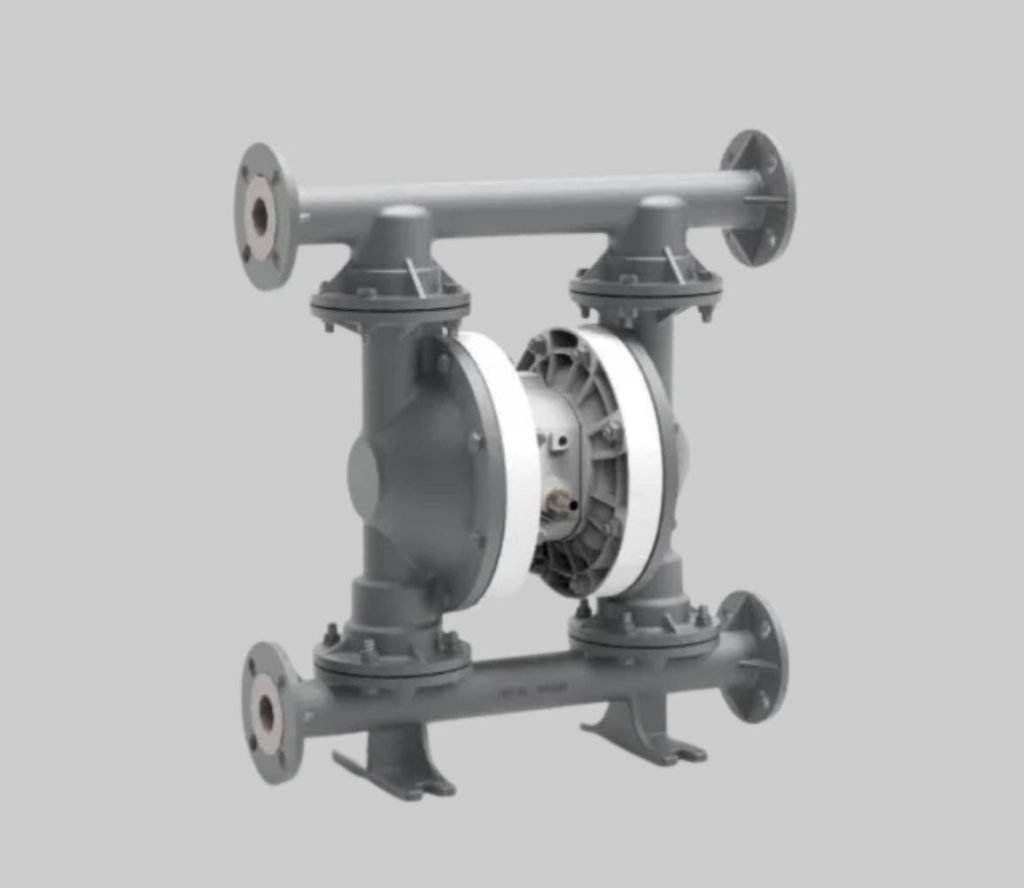
A hydraulic-actuated diaphragm system is a type of positive-displacement pump in which the movement of a diaphragm is controlled using hydraulic fluid. Instead of direct mechanical motion, pressure from the hydraulic system pushes the diaphragm, which in turn moves the process fluid.
This arrangement provides a more uniform transfer of force compared to mechanically actuated systems. It also reduces stress on the diaphragm, which helps improve operational stability, especially in high-pressure applications.
How a Hydraulic Diaphragm Pump Works
The operation is based on the interaction between hydraulic fluid and the diaphragm, which creates pressure changes inside the pump chamber.
The process can be understood as follows:
| Stage | What Happens in the System |
| Suction | The diaphragm retracts as hydraulic fluid moves, creating a vacuum that draws process fluid into the chamber through the inlet valve |
| Pressure Build-Up | Hydraulic fluid applies a uniform force on the diaphragm, ensuring even pressure distribution |
| Discharge | The diaphragm moves forward, pushing the fluid out through the outlet valve at controlled pressure |
Because the force is applied hydraulically, the diaphragm movement remains stable and consistent. This helps maintain accurate flow rates, particularly in dosing applications.
Types of Hydraulic Diaphragm Pumps Used in Industry
1. Hydraulic Diaphragm Metering Pump
These pumps are designed for applications where fluid must be delivered in precise and controlled quantities. These pumps are commonly used in water treatment plants for dosing chlorine, polymers, and other treatment chemicals.
They are also used in chemical processing industries where maintaining exact proportions of additives is necessary to ensure process consistency.
2. Hydraulic Actuated Diaphragm Pump
In this type, the diaphragm is driven directly by hydraulic pressure, allowing the pump to handle higher operating pressures more effectively.
These pumps are typically used in systems where consistent pressure and long-term reliability are required, such as chemical injection units and high-pressure dosing systems.
3. Hydraulic Driven / Operated Diaphragm Pumps
These pumps use hydraulic pressure to move the diaphragm, providing smooth and consistent fluid delivery. Their design allows them to handle demanding industrial processes, including continuous operations with viscous or corrosive liquids. Because the hydraulic system evenly distributes force, the diaphragm experiences less wear, making these pumps reliable for long-term use in high-pressure environments.
Where These Pumps Are Used
| Industry | Typical Application |
| Oil & Gas | Delivering corrosion inhibitors and chemicals into high-pressure pipelines with consistent flow |
| Water Treatment | Accurately dosing chlorine, polymers, and other treatment chemicals to maintain water quality |
| Chemical Processing | Safely handling and dosing reactive or hazardous chemicals during production |
| Pharmaceuticals | Ensuring precise delivery of formulation ingredients in controlled amounts |
| Power Plants | Supporting boiler and cooling water systems with reliable chemical dosing |
These high-pressure diaphragm pumping solutions are ideal in industries where both pressure control and precise fluid delivery are essential. Their ability to handle aggressive or hazardous fluids while maintaining accuracy makes them a vital component in many process-driven operations. In these environments, the pump doesn’t just move fluid—it helps maintain process stability, safety, and operational efficiency, making it a dependable choice for critical industrial applications.
Advantages in Practical Use
These pumps are widely preferred due to several operational benefits:
- • They can handle high-pressure applications without significant variation in flow
- • Provide accurate and repeatable dosing, which is essential in process industries
- • Keep the process fluid isolated, reducing contamination and leakage risks
- • Offer stable performance over long operating cycles
- • Suitable for handling corrosive and hazardous fluids safely
Choosing the Right Pump for Your System
Selecting the right pumping solution starts with understanding the specific needs of your system. A pump that matches the operational requirements will perform reliably, reduce maintenance issues, and ensure accurate fluid delivery.
| What to Check | Why It Matters in Real Operation |
| Pressure Level | Ensures the pump can handle the system’s operating pressure without compromising performance |
| Flow Requirement | Determines whether the pump can maintain accurate dosing and consistent fluid transfer |
| Fluid Nature | Influences the choice of diaphragm material and the pump’s durability over time |
| Accuracy Requirement | Critical in processes where precise dosing or chemical injection is required |
| Maintenance Capability | Regular servicing is necessary to keep hydraulic systems running efficiently and prevent downtime |
Carefully evaluating these factors will help you select a pump that not only meets your immediate process needs but also delivers reliable performance over the long term.
Basic Maintenance Considerations
To maintain consistent performance, regular maintenance is necessary.
- • Monitor hydraulic fluid condition and levels
- • Inspect the diaphragm for signs of wear or fatigue
- • Check valves and seals to ensure proper operation
- • Avoid operating the pump beyond recommended pressure limits
- • Follow scheduled servicing practices
Regular maintenance not only improves efficiency but also extends the life of the pump.
Final Thoughts
Hydraulic diaphragm pumps are well-suited for industrial applications that require a combination of high pressure, accurate dosing, and safe fluid handling. Their ability to maintain consistent performance under demanding conditions makes them a reliable choice for process-driven industries.
For systems where precision and pressure control are critical, selecting the right pump configuration and maintaining it properly can significantly improve overall operational efficiency.
Frequently Asked Questions
Can these pumps operate in extreme temperatures?
Yes, if the pump materials are selected appropriately. High or low temperatures may require specific diaphragm materials and hydraulic fluids.
Can one pump handle multiple types of chemicals?
Yes, if the materials are compatible, but thorough cleaning between chemicals is essential to prevent contamination or chemical reactions.
Do hydraulic diaphragm pumps need electricity to run?
Not directly. They are powered by hydraulic pressure, but the hydraulic system itself may require an electric or engine-driven source to maintain the fluid flow.
How does hydraulic actuation reduce wear compared to mechanical systems?
Hydraulic pressure distributes force evenly across the diaphragm, preventing localized stress. This reduces wear and extends the lifespan of both the diaphragm and pump components.