Blog
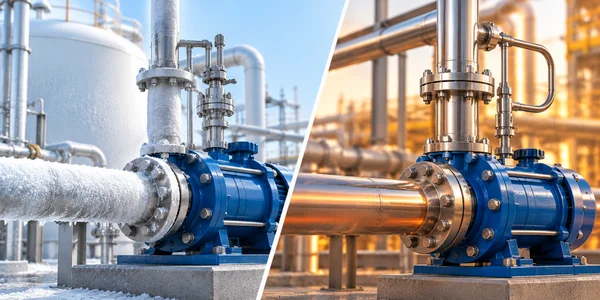
Liquid vs Supercritical CO₂: What Changes in Pump Selection?
A pump described as suitable for high-pressure carbon dioxide is not automatically suitable for every CO₂ application. The fluid may enter the…
Engineering notes, maintenance guides and process know-how from our team.
A pump described as suitable for high-pressure carbon dioxide is not automatically suitable for every CO₂ application. The fluid may enter the…
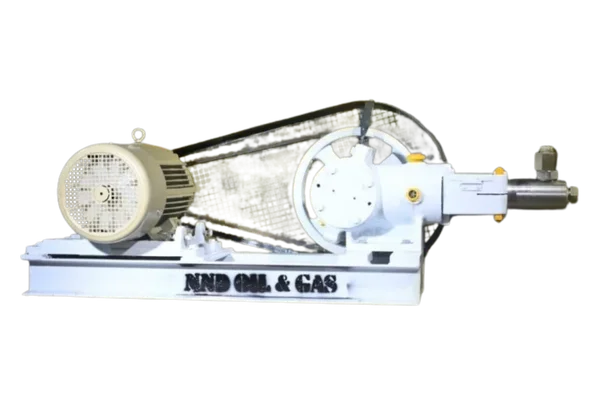
Selecting a pump for liquid carbon dioxide requires more than matching a flow rate and discharge pressure. The conditions at the inlet…
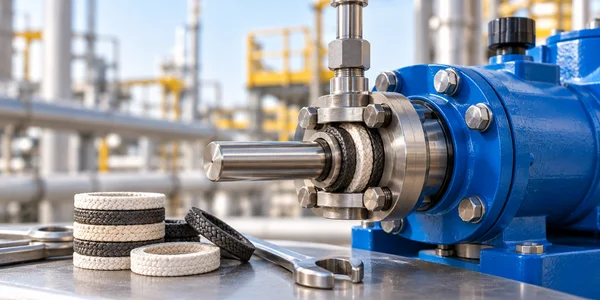
Liquid appearing around a pump’s sealing area deserves investigation. Worn packing is one possible cause, but replacing it without checking the surrounding…
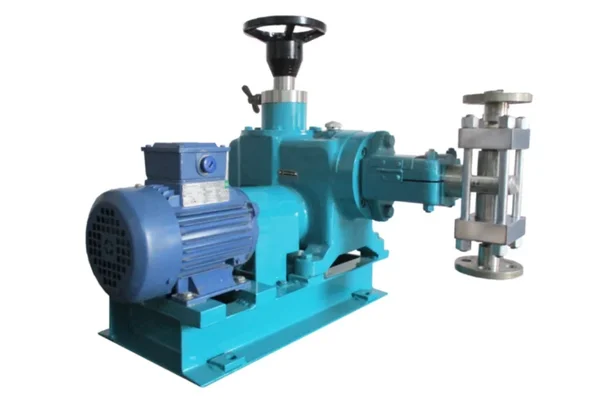
Selecting a chemical injection pump involves more than matching a flow rate. The equipment must handle the chemical, overcome the required discharge…
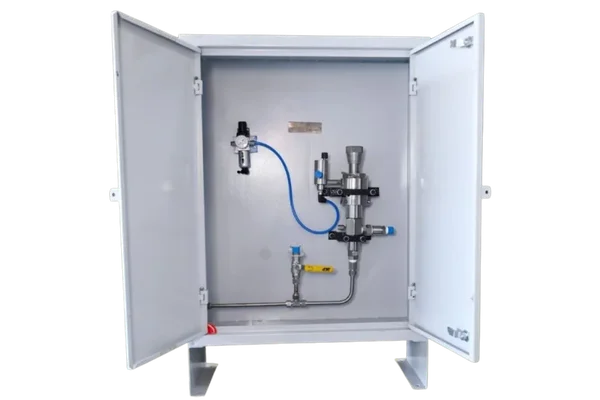
A pump setting tells you how the equipment has been adjusted. It does not, on its own, confirm how much chemical reaches…
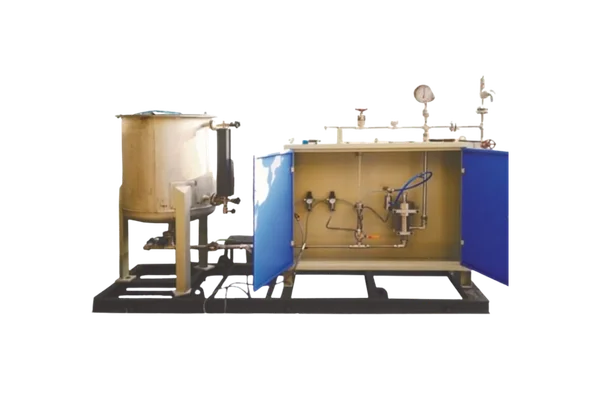
Two pumps can use compressed air yet serve quite different purposes. A pneumatic metering pump may be selected to inject a controlled…
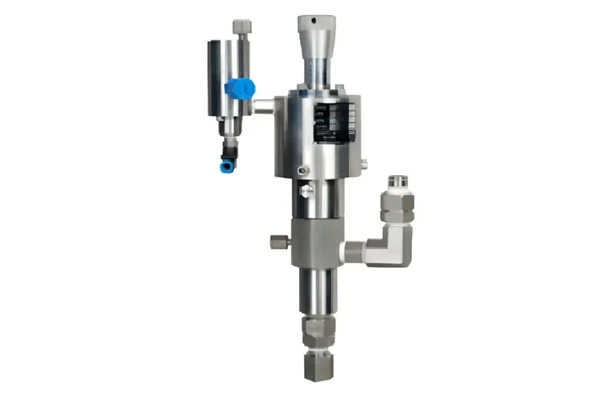
Choosing a chemical injection pump starts with the treatment requirement. The equipment must deliver the required quantity of chemical into the process,…
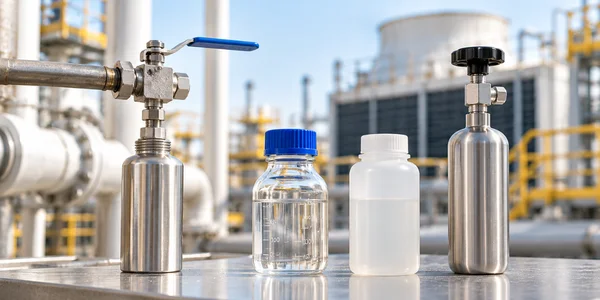
A sample container becomes part of the measurement process as soon as the liquid enters it. The wrong material, closure or storage…
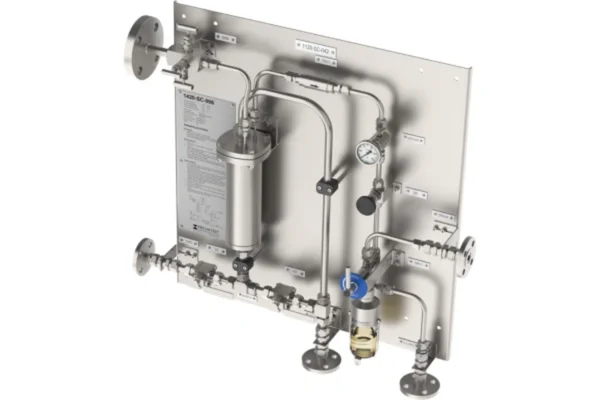
Collecting liquid from a process line can involve more than placing a container beneath an outlet. The fluid may be hot, pressurised,…
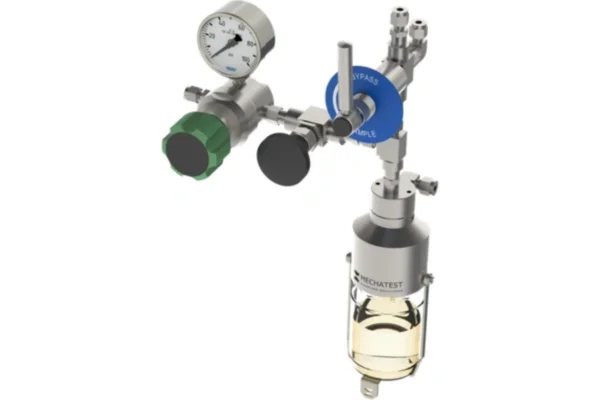
A laboratory result can be accurate for the liquid in the container yet still give a misleading picture of the process. That…
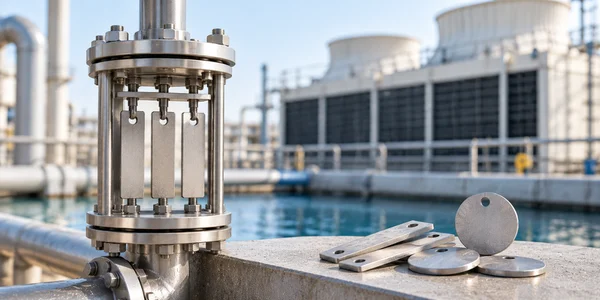
A cooling-water system can appear to be operating normally while its metal surfaces are deteriorating. Water analysis provides useful information, but it…
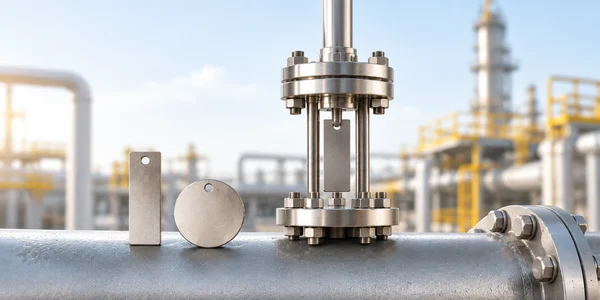
A corrosion coupon provides physical evidence of how a selected metal responds to conditions inside a pipeline. However, useful results depend on…
