
Equipment
Two-Phase and Three-Phase Separators
Two-phase and three-phase separators are pressure vessels used in oil and gas operations to separate produced fluids into their individual components. A two-phase separator…
Tell us your duty and our engineers will respond within one business day.
An indirect water bath heater is an industrial heating system used to provide controlled and uniform heating of natural gas and other process fluids. The heater transfers heat through an intermediate water or water-glycol bath, keeping the process fluid separated from the direct combustion zone.
These heaters are commonly used in natural gas pressure reduction, gas processing, pipelines, and other oil & gas applications where maintaining the required process temperature is important.
NND Oil & Gas provides engineered heating solutions designed around the required heating duty, process conditions, fluid characteristics, and project requirements.
An indirect water bath heater consists of a heated bath surrounding a process coil through which the fluid flows. A burner heats the fire tube, and the heat is transferred from the fire tube to the surrounding bath medium. The heated bath then transfers thermal energy to the process fluid flowing through the coil.
This indirect heat-transfer arrangement provides controlled heating without exposing the process fluid directly to the burner flame.
A typical system includes:
The final configuration depends on the process conditions, heating capacity, operating pressure, temperature, and installation requirements.
A water bath heater for natural gas is commonly installed upstream of pressure regulation or pressure reduction equipment. Natural gas can experience a significant temperature decrease during throttling and pressure reduction. Maintaining an appropriate inlet temperature can therefore be important for process operation and temperature control.
Typical applications include:
The required heater capacity depends on parameters such as gas flow rate, inlet temperature, outlet temperature, operating pressure, and gas composition.
The indirect water bath heater design is developed according to the required process heating duty and operating conditions.
Important design parameters include:
| Parameter | Design Consideration |
| Heating Duty | Required heat output |
| Flow Rate | Process fluid volume |
| Operating Pressure | System pressure requirements |
| Inlet Temperature | Process entry conditions |
| Outlet Temperature | Required process temperature |
| Bath Medium | Water or water-glycol |
| Burner Type | Selected according to heat input |
| Material Selection | Based on pressure and process conditions |
Proper sizing of the fire tube, process coil, and bath volume is important for achieving the required heat-transfer performance. The design may also incorporate temperature-control arrangements for maintaining stable operating conditions. Research on indirect water bath heaters has demonstrated the importance of heater geometry, process conditions, and temperature control in overall thermal performance.
The specifications of an indirect water bath heater can be configured according to project-specific operating requirements.
| Specification | Typical Configuration |
| Heating Medium | Water / Water-Glycol Bath |
| Process Fluid | Natural Gas & Process Fluids |
| Heating Method | Indirect Fire Tube Heating |
| Process Coil | Pressure-Rated Coil |
| Operating Temperature | Application-Specific |
| Bath Temperature | Typically 80–95°C |
| Burner Type | Natural Draft / Forced Draft |
| Construction | Heavy-Duty Fabricated Vessel |
| Control System | Temperature & Safety Controls |
| Design | Custom Engineered |
Final specifications are determined based on process conditions, operating pressure, heating duty, and customer requirements.
An indirect water bath heater offers several advantages for industrial process heating applications.
Controlled Heat Transfer: The intermediate water bath allows heat to be transferred evenly to the process fluid.
Uniform Heating: The process coil is surrounded by the heated bath, helping maintain consistent temperature distribution.
Suitable for Natural Gas Applications: The process fluid remains isolated from the combustion chamber throughout operation. The process coil is selected and designed according to the specified operating and design pressure, temperature, fluid characteristics and applicable project requirements.
Stable Temperature Control: Bath temperature is typically maintained between 80°C and 95°C, helping prevent bath boiling while providing safe and consistent heat transfer throughout operation.
Reliable Performance: Designed for continuous industrial operation across varying process conditions.
Flexible Configuration: The equipment can be engineered for different capacities, pressures, and installation requirements.
NND Oil & Gas combines engineering expertise with quality manufacturing to deliver heating solutions built for demanding industrial environments.
What sets us apart:
Every heater is developed around the customer’s operating requirements, ensuring reliable performance throughout its service life.
Selecting the right heater requires more than determining the required outlet temperature. Flow rate, pressure, fluid properties, heating duty, and installation conditions all influence the final configuration.
Share your process requirements with NND Oil & Gas to discuss your indirect water bath heater design and receive an application-specific technical proposal.
An indirect water bath heater is a process heating system that uses water or a suitable water-glycol mixture as an intermediate heat-transfer medium. The process fluid flows through a coil immersed in the heated bath.
A burner heats a fire tube, which transfers heat to the surrounding bath. The heated bath then transfers thermal energy to the process fluid flowing through the immersed coil.
Yes. The configuration can be developed according to the process conditions, heating duty, pressure and temperature requirements, fluid characteristics and project specifications.
A water bath heater for natural gas is commonly used to heat gas before pressure reduction, regulation or other processing operations where maintaining the required gas temperature is important.
Important factors include flow rate, heating duty, inlet and outlet temperatures, operating and design pressure, fluid characteristics, bath medium, burner capacity, material selection, and control requirements.
Two-phase and three-phase separators are pressure vessels used in oil and gas operations to separate produced fluids into their individual components. A two-phase separator…
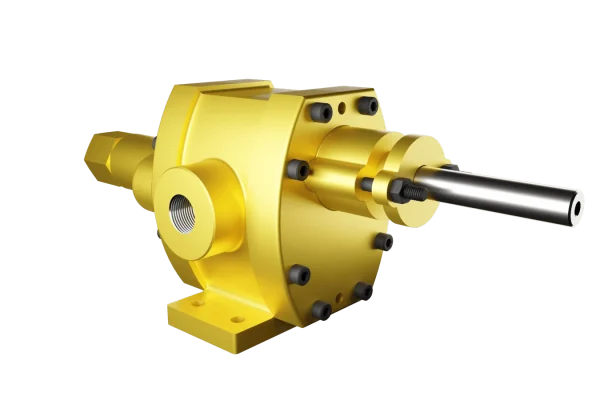
Rotary Gear Pump Industrial Rotary Gear Pump for Transferring High-Viscosity Fluids The UM Series was designed with handling of oil and viscous fluids in…
