A cooling-water system can appear to be operating normally while its metal surfaces are deteriorating. Water analysis provides useful information, but it does not directly show how a particular alloy has responded over time.
Corrosion coupons provide that additional evidence. Exposed to circulating water for a defined period, these metal specimens can be recovered and examined for material loss.
However, useful conclusions depend on the monitoring arrangement, specimen preparation and operating records. A laboratory result needs context before it can support a treatment or maintenance decision.
What Do Corrosion Coupons Measure?
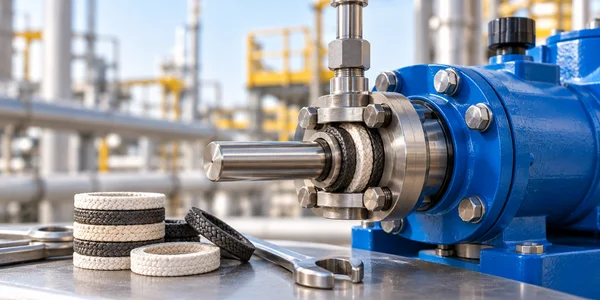
Corrosion monitoring coupons are metal specimens with a recorded initial weight and known exposed area. Their material is selected to represent the alloy or equipment being evaluated.
After exposure, they are examined, cleaned using an appropriate procedure and weighed again. The measured loss is used with exposure time, area and material density to calculate an average corrosion rate.
Common reporting units include millimetres per year and mils per year. A mil is one-thousandth of an inch.
The result describes the specimen’s exposure. It should not be interpreted as a direct measurement of the remaining wall thickness of a pipe or heat exchanger.
How Cooling Tower Coupon Racks Work
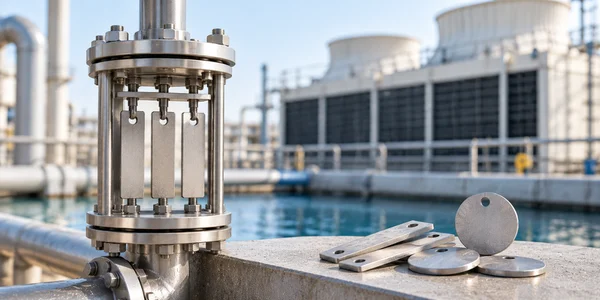
A monitoring rack provides a defined arrangement for exposing specimens to system water. It commonly forms part of a bypass circuit through which circulating water passes over the coupons.
The rack should provide exposure relevant to the monitoring objective. Its location, flow conditions and operating status therefore matter as much as the specimens installed inside it.
Using corrosion coupons in cooling tower programmes involves more than fitting samples and returning later to collect them. The team must establish whether the rack remained in service and received the intended water flow throughout the test.
NND Oil & Gas offers corrosion coupons for industrial monitoring. Confirm the required alloy, dimensions and holder compatibility when specifying replacement specimens.
Conditions to Check Before Starting a Test
Document the arrangement before the exposure begins. This creates a reference for interpreting the eventual findings.
| Item | What to Record |
| Monitoring location | Rack identification and connection to the cooling-water circuit |
| Water flow | Specified conditions and how they will be checked |
| Specimen details | Identification, alloy, dimensions and exposed area |
| Preparation | Initial weight and specified surface condition |
| Exposure | Installation date and planned recovery date |
| System operation | Relevant treatment and operating information |
The rack’s installation and operating instructions should define its specific requirements. Do not apply a flow setting or mounting arrangement taken from a different system without review.
Selecting Coupon Materials and Dimensions
A specimen should have a clear purpose. Are you evaluating the behaviour of a particular system metal, comparing alloys or following an established monitoring programme?
Specify the exact material rather than requesting a generic metal strip.
For replacement orders, provide:
- Alloy and grade.
- Length, width and thickness.
- Mounting-hole details.
- Required surface preparation.
- Identification and initial-weight requirements.
- Existing holder or rack information.
Keep these characteristics consistent when comparing successive tests. Otherwise, a change in the specimen may complicate interpretation of a change in the result.
Choosing an Exposure Period
The exposure period should be agreed with the monitoring team or laboratory. It needs to suit the process and the question being investigated.
One cooling-system technical bulletin describes typical exposures of approximately 30–90 days, but this is not a universal requirement for every programme.
Record the actual installation and recovery dates. Also document interruptions, shutdowns or changes in rack operation.
For example, a specimen installed for several weeks may not have received continuous exposure if the bypass was isolated. That history must be considered rather than assuming calendar duration describes the complete test.
What Happens During Coupon Evaluation?
The recovered condition should be documented before cleaning removes useful surface evidence.
Evaluation generally includes:
- Recording deposits, discolouration and visible attack.
- Cleaning according to the applicable procedure.
- Measuring the final weight.
- Calculating the average corrosion rate.
- Examining the surface for localised features.
Cleaning needs to remove corrosion products without introducing an unaccounted change in the underlying specimen. Leave preparation and analysis to the laboratory or qualified personnel responsible for the test.
Photographs and surface observations help explain findings that the weight-loss figure alone cannot describe.
Understanding the Test Report
Read the complete report before deciding whether performance has improved or deteriorated.
| Report Finding | Question to Ask |
| Average corrosion rate | What metal loss occurred during this exposure? |
| Pitting or localised attack | Does the surface show damage not adequately described by the average? |
| Deposits | Were their appearance and location documented? |
| Exposure information | Are dates, specimen identity and location correct? |
| Previous results | Were the materials and test conditions comparable? |
| Operating history | Did water conditions, treatment or system operation change? |
A low average corrosion rate does not rule out significant localised attack. Manufacturer guidance recommends recording surface features separately from the weight-loss calculation.
There is also no single acceptable rate for every material and cooling system. Assess results against the programme’s criteria and operating conditions.
Relating Results to Water Treatment
Coupon findings can support a review of treatment performance, but they do not identify the cause of every change.
Compare the exposure period with available water-analysis records, treatment information and operational events. Avoid changing several variables solely because one result differs from the previous test.
Where chemical-feed equipment is being reviewed, assess the chemical dosing system separately for its delivery requirements. Monitoring evidence and dosing-equipment performance answer related but different questions.
Coupons provide an exposure-period average. They cannot establish exactly when a short corrosion event occurred.
Common Mistakes to Avoid
- Ignoring Rack Operating Conditions – Confirm that the monitoring arrangement operated as intended before interpreting the result.
- Comparing Unlike Specimens – Changes in alloy, preparation or location can affect the basis for comparison.
- Looking Only at the Average Rate – Review surface observations, deposits and localised attack alongside the calculated figure.
- Treating One Result as the Whole System’s Condition – Use coupon evidence with equipment inspections, process records and other relevant monitoring information.
Turn Test Results into Useful Decisions
A reliable programme combines suitable specimens, documented exposure and careful evaluation. The strongest conclusions come from comparing the report with what happened in the cooling-water system during the test.
Need replacement coupons for your monitoring rack? Contact NND Oil & Gas with your material grade, dimensions, holder details and required quantity.
Frequently Asked Questions
Do Corrosion Coupons Prevent Corrosion?
No. They provide evidence of material behaviour. Treatment, operation and maintenance measures are needed to control corrosion.
Can Coupons Be Reused After Testing?
Standard weight-loss programmes normally use newly prepared specimens for subsequent exposures. Follow the laboratory’s specified method rather than reinstalling an evaluated coupon without review.
Should a Higher Result Trigger an Immediate Treatment Change?
It should trigger investigation. First check the test basis, rack history, surface findings and operating records with the responsible monitoring team.