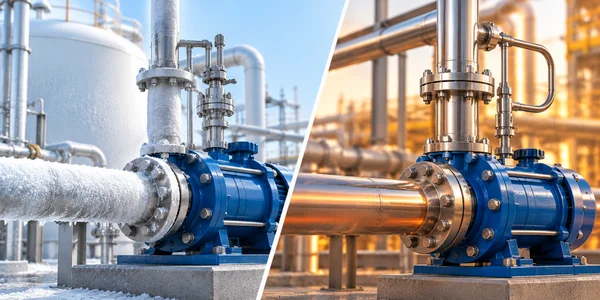
Liquid appearing around a pump’s sealing area deserves investigation. Worn packing is one possible cause, but replacing it without checking the surrounding components can leave the underlying problem unresolved.
A damaged plunger, unsuitable packing material or changed operating conditions may contribute to repeated leakage. The first task is to identify where the liquid originates and how the installed sealing arrangement is intended to work.
This guide covers common investigation points for packed plunger pumps used in chemical dosing. Adjustment and replacement work must follow the instructions for the specific pump.
What Does Plunger Pump Packing Do?
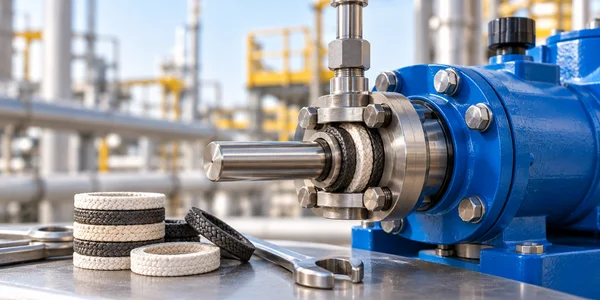
Packing forms a seal around the reciprocating plunger as it moves through the liquid end. It helps contain the process liquid while accommodating repeated movement.
Depending on the design, the sealing assembly may include several packing elements, support components and additional seals. Some arrangements also incorporate flushing or leakage collection provisions.
These details affect maintenance requirements. A general instruction to tighten the packing or replace a seal is not enough to establish the correct action.
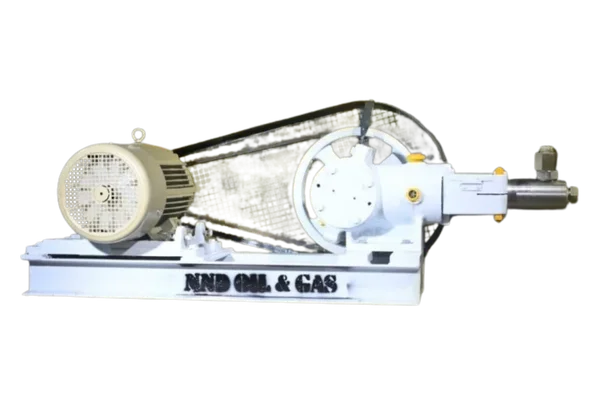
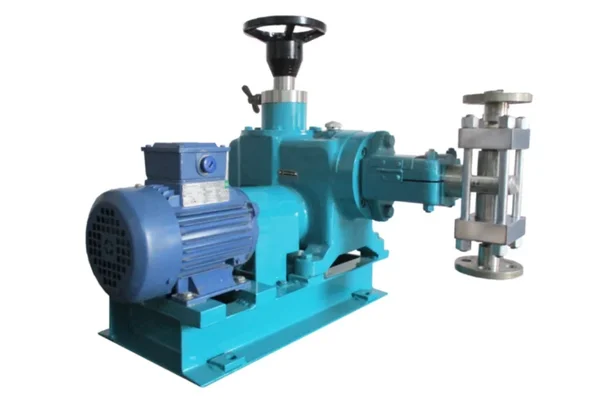
For a plunger metering pump, confirm the supplied liquid-end construction and parts drawing before ordering replacement components.
Is Any Packing Leakage Acceptable?
There is no universal acceptable leakage rate for every packed plunger pump.
Some designs specify controlled leakage and collection arrangements. Others use sealing systems with different expectations. The chemical’s hazards also influence how any release must be managed.
Use the manufacturer’s instructions to establish:
- Expected sealing performance.
- Inspection requirements.
- Permitted adjustments.
- Leakage collection or drainage provisions.
- Conditions requiring shutdown or service.
Do not transfer a drip-rate recommendation from a water pump or another packing design to a chemical injection pump.
First, Confirm Where the Liquid Comes From
Fluid can travel across a surface before becoming visible. A wet area near the packing does not prove that the packing is the source.
Other possibilities include nearby fittings, valve connections or static seals.
Record the location, operating conditions and any recent changes. Inspection should follow site procedures without touching or approaching a suspected pressurised leak.
Before intrusive inspection or adjustment, the equipment must be safely isolated, depressurised and prepared for maintenance under the approved procedure.
Common Causes of Packing Leakage
1. Packing Wear
Repeated movement gradually changes the condition of sealing surfaces. Service life depends on the packing design, chemical, operating duty and maintenance history.
A gradual increase in leakage may indicate wear, but the diagnosis should include the plunger and associated components. New packing may not seal effectively against a damaged surface.
2. Scored or Damaged Plunger Surfaces
Scratches, surface deterioration or other damage can interfere with sealing and shorten the life of replacement packing.
During an approved maintenance inspection, assess the plunger against the manufacturer’s acceptance criteria. Avoid attempting an improvised surface repair that could alter its dimensions or finish.
3. Unsuitable Packing Material
Packing must suit the chemical concentration, temperature and operating conditions.
Changes in formulation or cleaning chemicals can introduce a compatibility problem even when the original service was satisfactory.
Confirm the exact replacement specification. Matching dimensions alone does not establish suitability.
4. Abrasive Material or Deposits
Particles can accelerate wear at the sealing interface. Deposits may also interfere with the intended operation of the assembly.
Investigate the source rather than assuming more frequent replacement is the only option. Any filtration, flushing or cleaning change needs to suit the process and pump design.
5. Incorrect Assembly or Adjustment
Incorrect component selection, orientation or assembly can affect sealing performance.
Excessive tightening is not a general remedy for leakage. Where adjustment is permitted, the correct method and limits must come from the manufacturer.
Repeatedly tightening a worn assembly may delay necessary maintenance without correcting the cause.
Maintenance Checks to Record
A consistent record helps distinguish isolated wear from a recurring problem.
| Check | Information to record |
| Leak location | Confirmed source and affected components |
| Operating duty | Pressure, temperature, speed and running hours |
| Chemical | Identity, concentration and recent changes |
| Packing | Part number, material and installation date |
| Plunger | Surface condition and inspection findings |
| Liquid supply | Relevant interruptions or abnormal conditions |
| Previous work | Adjustments, replacements and repeat failures |
| Pump performance | Changes in measured output or pressure |
Compare the findings with earlier maintenance records. A packing set lasting much less time than previous replacements warrants investigation.
Why Replacing Packing May Not Solve the Problem
Replacement addresses the worn component, but it does not necessarily remove what caused the wear.
If leakage returns quickly, review:
- Whether the correct parts were installed.
- The condition of the plunger and packing housing.
- Installation and adjustment records.
- Chemical or temperature changes.
- Abnormal operating conditions.
- Any specified flushing or support arrangements.
The wider installation also matters. Review the pump within the complete chemical dosing system, including its supply conditions, controls and pressure-protection arrangement.
Check Dosing Performance After Maintenance
A dry exterior does not, by itself, confirm correct chemical delivery.
After maintenance, complete the manufacturer’s return-to-service checks and verify output using the approved measurement method. Confirm that the required dose is achieved under relevant operating conditions.
Record the measured flow, settings and test conditions. This creates a useful reference for subsequent inspections.
Set Maintenance Intervals from Evidence
Avoid applying a universal replacement interval.
Start with the manufacturer’s recommendations, then consider the chemical service, operating hours and observed component condition.
Keep suitable replacement parts identified by pump model and liquid-end configuration. A generic packing kit may not cover differences in materials or construction.
Where repeated failures occur, review the application with the supplier rather than simply shortening the replacement schedule.
Investigate the Cause Before Replacing Parts
Effective maintenance starts with a confirmed leak source and an understanding of the sealing design. Review packing condition alongside the plunger, chemical compatibility and operating history. After corrective work, verify both containment and dosing performance. Need help reviewing your pump configuration? Contact NND Oil & Gas with the pump model, chemical details, operating conditions and maintenance history.
Frequently Asked Questions
Can I stop leakage by tightening the packing?
Only use adjustments explicitly permitted for the installed design. Tightening cannot reliably correct worn packing, damaged surfaces or unsuitable materials.
Should the plunger be checked when packing is replaced?
Yes. Its condition can affect both sealing and replacement packing life. Inspection and acceptance criteria should follow the manufacturer’s instructions.
Does packing leakage mean the whole pump needs replacing?
Not necessarily. The required action depends on the cause, component condition and suitability of the pump for its current duty.