A corrosion coupon provides physical evidence of how a selected metal responds to conditions inside a pipeline. However, useful results depend on more than installing a specimen and measuring its weight loss.
The material, monitoring position, exposure period and evaluation method all influence what the result means. A low average corrosion rate should not automatically be treated as evidence that the entire pipeline is in good condition.
This guide explains the main considerations when using corrosion coupons in pipeline monitoring, from specimen selection to interpreting the findings.
How Does a Corrosion Coupon in a Pipeline Work?
A corrosion coupon in pipeline service is exposed to the process environment for a defined period. Its initial weight, exposed area and material are recorded before installation.
After recovery, the specimen is examined, cleaned using an appropriate procedure and weighed again. The measured loss is used to calculate an average corrosion rate over the exposure period.
The recovered surface can also provide evidence of deposits and localised attack. These observations complement the weight loss result rather than being replaced by it.
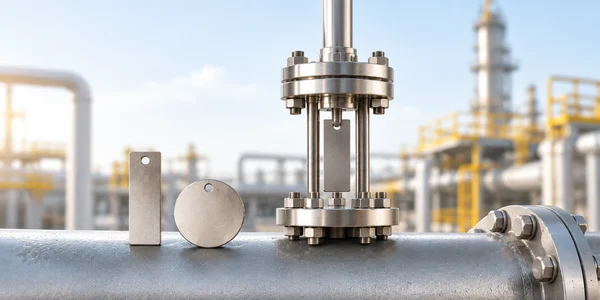
NND Oil & Gas offers corrosion coupons for industrial applications, including strip and flush disc configurations for review against the required mounting arrangement.
Why Coupon Placement Matters
A coupon reflects the conditions at its particular exposure position. It does not automatically represent every location within the pipeline.
Start by defining the monitoring objective. Are you evaluating conditions near the pipe wall, investigating a particular fluid phase or reviewing treatment performance at a selected point?
The proposed location should support that objective.
Review These Placement Factors
- Process exposure: Will the specimen encounter the environment being investigated?
- Flow conditions: Does the location provide relevant exposure for the monitoring purpose?
- Position: Is the specimen intended to be flush with the wall or extend into the stream?
- Pigging requirements: Could the installed assembly interfere with pipeline operations?
- Access: Can the equipment be inspected and serviced using the approved arrangement?
Flush disc coupons are used for wall-position monitoring and applications where protruding equipment could affect pigging. Final suitability depends on the complete installed geometry.
There is no single installation position suitable for every pipeline. The location and orientation should be established through the application review.
Selecting Materials and Coupon Geometry
The pipeline coupon should use a material relevant to the equipment or alloy being evaluated. Specifying only “steel coupon” leaves important details unresolved.
Material composition, shape, exposed area and surface finish affect the basis for comparing results. Consistent specimen preparation is particularly important when monitoring trends between exposure periods.
| Selection Item |
What to Confirm |
| Material | Required alloy and grade |
| Geometry | Strip, flush disc or another specified form |
| Dimensions | Thickness, length or diameter |
| Mounting | Hole details and holder compatibility |
| Surface preparation | Specified finish and preparation method |
| Identification | A reference linking the specimen to its records |
| Exposed area | The area used in the evaluation |
Manufacturer guidance recommends selecting alloys similar to the equipment being monitored and controlling specimen characteristics to support reproducible results.
Planning Exposure and Recovery
The exposure period should be defined by the monitoring programme. Applying the same duration to every installation can overlook differences in the process and information required.
Document the installation and recovery dates, specimen identity and any relevant operating changes during exposure. If the plant changes its treatment programme or operating conditions, that history will help explain the eventual result.
Recovery requirements also need to be established before installation.
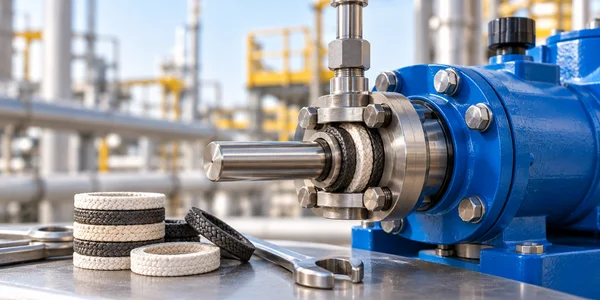
Using corrosion coupons in piping may involve fixed holders or specialised access equipment. Do not assume that an assembly can be opened or removed while pressurised.
Confirm the access-system model, isolation requirements, compatible retrieval equipment and approved operating procedure with the responsible engineering team.
What Happens During Corrosion Coupon Testing?
Evaluation should preserve useful evidence while producing a reliable weight loss measurement.
The general assessment includes:
- Documenting the recovered condition: Record deposits, discolouration and visible attack before cleaning.
- Preparing the specimen: Remove corrosion products using the applicable evaluation procedure.
- Measuring final weight: Compare it with the recorded initial weight.
- Calculating average corrosion rate: Use weight loss, exposed area, exposure time and material density.
- Examining the surface: Assess localised features that an average value may not describe adequately.
Cleaning must be controlled so the preparation itself does not distort the measured loss. The evaluation method should be selected by the laboratory or qualified personnel responsible for the test.
How to Interpret Pipeline Coupon Results
The report should be read as a set of findings rather than a single number.
| Report Item |
Interpretation Question |
| Average corrosion rate | What metal loss occurred over the recorded exposure period? |
| Surface condition | Is there evidence of localised attack or unusual features? |
| Deposits | Were deposits present, and was their condition documented? |
| Exposure information | Are the dates, location and specimen identity clear? |
| Process history | Did operating or treatment conditions change? |
| Previous results | Are the specimens and test conditions comparable? |
A weight loss calculation gives an average rate. Localised attack can require separate assessment, so the average should not be treated as the deepest pit measurement.
Avoid applying a universal acceptable corrosion-rate threshold. Interpretation should follow the equipment requirements, monitoring objectives and relevant engineering assessment.
Comparing Results Over Time
Trend comparisons become more useful when the test basis is consistent.
Before concluding that corrosion has increased or decreased, check whether the following remained comparable:
- Alloy and specimen preparation.
- Monitoring position.
- Exposure conditions and duration.
- Cleaning and evaluation method.
- Process operation and treatment history.
Coupons also provide an exposure-period average rather than identifying exactly when an event occurred. Where the programme needs measurements during operation, suitable electronic probes may provide complementary information.
Use coupon findings alongside inspection records and process data when assessing pipeline condition.
Common Monitoring Mistakes
- Selecting an Accessible Location Without Reviewing Exposure – Convenient access is important, but the location must also answer the monitoring question.
- Comparing Different Test Conditions as Equivalent – A change in specimen preparation or position can complicate interpretation. Record changes rather than assuming successive results are directly comparable.
- Relying Only on Average Weight Loss – Review the recovered surface and relevant localised features as well as the calculated average.
- Treating One Coupon as Evidence for the Whole Pipeline – A monitoring point provides information about its exposure location. It does not replace a wider inspection and integrity programme.
- Build the Programme Around a Clear Objective – Useful pipeline monitoring starts with representative placement, suitable specimens and documented evaluation. The strongest interpretation combines coupon findings with operating history, inspection results and other relevant measurements.
Need specimens for your pipeline monitoring programme? Contact NND Oil & Gas to discuss coupon materials, dimensions, holder compatibility and a quotation.
Frequently Asked Questions
How Long Should a Coupon Remain in a Pipeline?
The monitoring team should define the duration around the process, expected material loss and information required. There is no universal exposure period for every application.
Can Coupons Show Whether Corrosion Inhibitors Are Working?
They can support treatment assessment when the location, test conditions and operating history are considered. A result alone does not establish the cause of a change.
Do Coupons Prevent Pipeline Corrosion?
No. They provide monitoring evidence. Corrosion control requires appropriate operational, chemical-treatment or other engineering measures.