A sample container becomes part of the measurement process as soon as the liquid enters it.
The wrong material, closure or storage arrangement can change the sample before it reaches the laboratory. A container may also be unsuitable for the pressure, temperature or handling conditions involved.
Choosing a receiver therefore requires more than checking its capacity. The fluid, analytical method and collection equipment all need to be considered together.
Begin with the Laboratory Requirement
Before choosing between a bottle, vessel or cylinder, confirm what the laboratory needs.
Different analyses may require different container materials, preparation methods and sample quantities. The required closure and handling conditions may also change.
Ask the laboratory to confirm:
- The tests to be performed.
- Minimum sample quantity.
- Accepted container material.
- Cleaning or preparation requirements.
- Closure type.
- Any preservation requirements.
- Holding time and transport conditions.
A container suitable for a routine composition check may not suit trace-level analysis. Small amounts of residue that have little effect on one test could matter considerably to another.
Bottles, Vessels and Cylinders Serve Different Duties
Container names alone do not establish suitability. The actual construction, rating and intended use matter.
| Receiver type | Where it may be considered | Main selection questions |
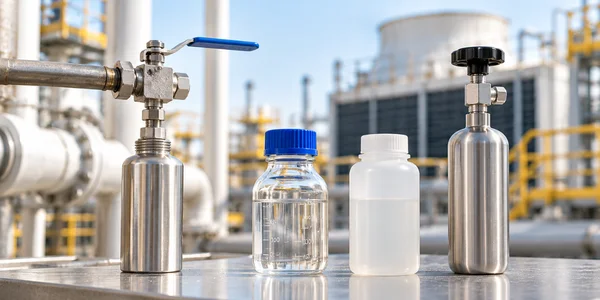
| Laboratory bottle | Liquids suitable for atmospheric collection and storage | Material, closure, analytical compatibility and handling |
| Purpose-designed vessel | Application-specific collection requirements | Construction, rating, connections and cleaning |
| Pressure-containing cylinder | Samples that need suitable pressure containment | Pressure and temperature rating, valves, seals and filling requirements |
A stronger-looking container is not automatically the better analytical choice. Likewise, a familiar bottle shape does not confirm chemical compatibility.
Select the receiver for the duty rather than adapting the duty to an available container.
Check Compatibility Across the Whole Container
The main container body is only one wetted component.
The sample may also contact a cap liner, seal, valve seat, connector or internal coating. Each material needs to suit the liquid and the intended analysis.
Review compatibility against:
- Chemical composition and concentration.
- Collection and storage temperatures.
- Expected contact time.
- Potential interaction with the measured components.
- Cleaning agents, where reuse is permitted.
Avoid treating glass, plastic or stainless steel as universally suitable. The exact material specification and test requirements should guide the choice.
Where analytical accuracy is sensitive to surface interaction, obtain the laboratory’s approval before substituting materials.
Decide Whether Pressure Containment Is Required
Some liquids can be collected at atmospheric pressure without materially affecting the intended analysis. Others can change when pressure falls.
For example, volatile constituents may be lost or the sample may separate into different phases. In these circumstances, an ordinary bottle may not preserve the required composition.
A pressure-containing receiver must be selected as part of the complete sampling assembly. Review its:
- Design pressure and temperature.
- Wetted materials.
- Valve arrangement.
- Connection compatibility.
- Inspection and maintenance requirements.
- Approved filling and handling procedure.
A sealed lid does not turn a laboratory bottle into a pressure vessel.
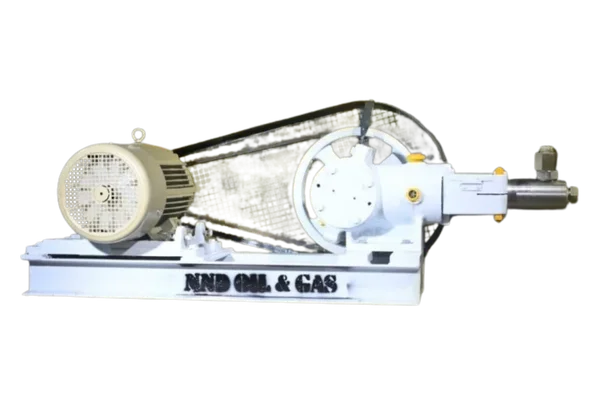
The liquid sampling system offered by NND Oil & Gas can be configured for different receiver types, subject to the fluid and project requirements.
Match the Container to the Sampling Interface
The receiver must fit the installed equipment correctly.
Neck dimensions, connection type and valve arrangement can affect whether the sample can be collected as intended. A container with the right capacity may still be incompatible with the collection interface.
Check the complete fit before ordering replacements.
For bottle arrangements, confirm the specified closure and connection geometry. For cylinders or other connected vessels, verify the connection standard and the proposed sealing arrangement.
Do not force a near-matching connection or substitute adapters without reviewing their suitability.
Select the Required Sample Volume
More liquid does not necessarily produce a better result.
The laboratory needs enough material to complete the required analyses, including repeat testing where specified. Beyond that, a larger sample can increase handling demands and the amount of material requiring disposal.
Confirm:
- Volume required for each test.
- Whether several tests can share one container.
- Whether separate containers are necessary.
- Any required space above the liquid.
- Equipment-specific filling limits.
There is no universal fill percentage suitable for every liquid and receiver. Follow the laboratory method and the equipment manufacturer’s requirements.
Protect Cleanliness During Preparation and Handling
An appropriate container can still produce a poor sample if it is contaminated before use.
Keep prepared containers protected from dust, moisture and unintended contact. Check that the closure is in suitable condition and that the container has the required identification.
Do not assume rinsing is always appropriate. A pre-cleaned or specially prepared container may need to remain untouched until collection. The laboratory should define the preparation method.
For reusable equipment, establish a documented cleaning and inspection process. Reuse should depend on the receiver’s design, condition and analytical requirements.
Plan Storage and Transport Before Collection
The sample needs to remain suitable until analysis, not simply until it leaves the sampling point.
Agree how it will be stored, moved and received by the laboratory. Consider the required handling conditions, protection against breakage and prevention of leakage.
Record the sample point, collection time, fluid identity and any relevant operating observations.
Where transport rules apply, confirm the appropriate packaging and documentation for the actual substance and receiver. A container suitable for on-site collection is not automatically approved for every transport arrangement.
Choose the Receiver as Part of the Sampling Arrangement
The right container helps preserve the sample while supporting practical collection, handling and analysis.
Agree the laboratory requirements first. Then confirm the materials, rating, closure and connections against the process conditions and sampling equipment.
Specifying a bottle, vessel or cylinder arrangement? Contact NND Oil & Gas with your fluid details, sample quantity and operating conditions to discuss the required configuration.
Frequently Asked Questions
Can one container be used for every industrial liquid?
No. Chemical compatibility, pressure requirements and analytical methods differ. Select the container for the specific fluid and test.
Is stainless steel always preferable to glass or plastic?
No. Suitability depends on the exact material, sample composition and measurement objective. The complete wetted construction needs review.
Can a previously used bottle be reused?
Only where the laboratory method and site procedure allow it. Cleaning effectiveness, container condition and the risk of carryover must be assessed.