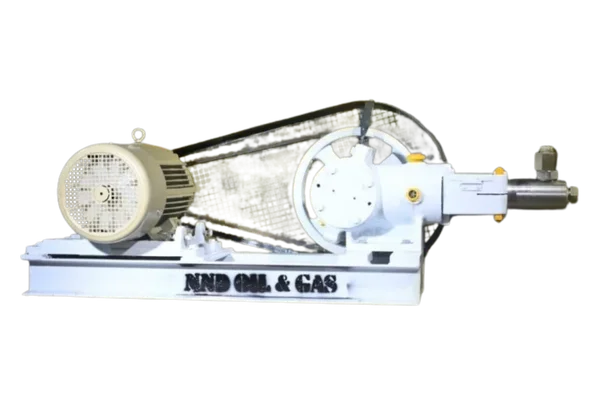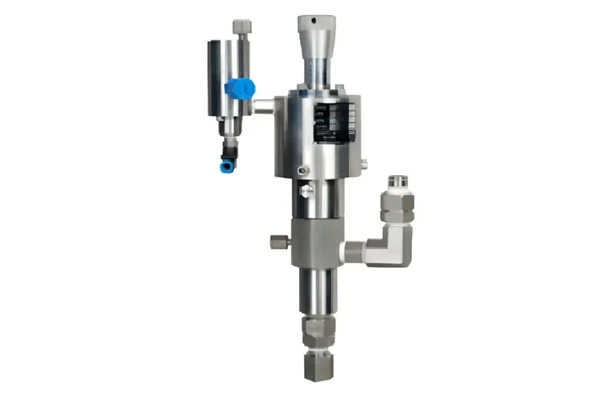
Choosing a chemical injection pump starts with the treatment requirement. The equipment must deliver the required quantity of chemical into the process, across the expected operating conditions.
Selecting only by maximum capacity can leave important questions unanswered. Can the pump control the lowest required dose? Is sufficient air available? Will the wetted components withstand the chemical?
This guide explains what to establish before specifying a pneumatic metering pump for an industrial injection application.
Start with the Required Dosing Range
Define the minimum, normal and maximum chemical flow before comparing models.
A pump sized for a future maximum may spend most of its operating life near its lowest setting. Confirm that the normal duty falls within a controllable, verified operating range.
Provide the supplier with:
- Minimum and maximum dosing rates.
- Normal operating flow.
- Continuous or intermittent operation.
- Expected changes in process throughput.
- Required dosing accuracy.
- Any future capacity requirement.
Distinguish between continuous flow accuracy and the quantity delivered over a longer period. A process requiring frequent small injections may have different requirements from one accepting a larger intermittent dose.
Check Discharge Pressure at the Injection Point
Process pressure is a starting point, rather than the complete discharge requirement.
The pump also needs to overcome the resistance of the chemical feed line and relevant downstream components. An injection check valve, for example, introduces its own opening requirement.
Assess the complete route from the pump outlet to the process connection.
|
Pressure consideration |
Information to confirm |
| Process line | Normal and maximum pressure |
| Chemical feed piping | Length, diameter and expected losses |
| Injection equipment | Valve and outlet requirements |
| Operating changes | Start-up, shutdown and pressure variation |
| Pump selection | Available output at the required pressure |
Do not assume a catalogue’s maximum flow and maximum pressure are available simultaneously for every configuration.
NND Oil & Gas’s air operated metering pump page provides product information for reviewing the proposed model against your duty.
Confirm the Available Air Supply
A pneumatic drive needs an adequate supply at the pump while it is operating.
Static pressure measured elsewhere in the plant does not establish that the installation can provide the required pressure and air volume during repeated cycling.
Ask the supplier to confirm:
- Required operating air pressure.
- Air consumption at the proposed duty.
- Filtration and air-quality requirements.
- Supply connection and piping requirements.
- Exhaust arrangements.
- Acceptable variation in the utility supply.
Where gas operation is proposed, review the permitted drive medium and exhaust handling separately. Air and natural gas should not be treated as interchangeable without confirmation.
The absence of an electric motor also does not, by itself, establish suitability for a hazardous area.
Review Chemical Compatibility Across the Assembly
The pump body is only one part of the wetted construction.
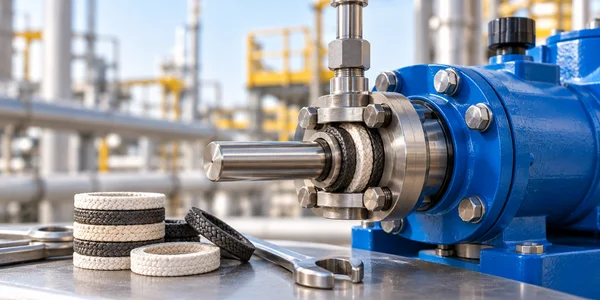
The chemical may also contact the plunger, packing, seals, check-valve components, tubing and fittings. Compatibility must cover the complete path.
Supply the chemical name, concentration, temperature and relevant safety information. Identify any tendency to crystallise, release gas or change viscosity.
Avoid selecting materials solely from broad labels such as stainless steel. The exact grade and seal formulation matter.
Chemical compatibility should also be reviewed if the process changes formulation or concentration after installation.
Understand How Output Is Adjusted
An adjustable pump does not automatically provide the same performance at every setting.
Depending on the design, output may be changed through displacement adjustment, cycle timing or another control arrangement. Confirm which adjustments are available on the proposed model and how they should be used.
Ask these questions before ordering:
- What is the verified operating range?
- How is the required flow established?
- What accuracy applies at the intended duty?
- Can the output respond to a changing process requirement?
- How will delivered flow be checked on site?
Calibration establishes measured output under defined conditions. It should form part of commissioning rather than relying only on the control scale.
Consider the Complete Injection Installation
A suitable pump can still perform poorly within an unsuitable system.
Review the supply tank, suction conditions, chemical feed piping and injection connection together. Confirm any requirements for pressure protection, backflow prevention, calibration and pulsation control.
NND Oil & Gas’s chemical dosing systems provide a starting point for discussing the wider equipment scope.
The quotation should clearly identify which valves, instruments and accessories are included.
Plan Maintenance Before Installation
Check that the pump can be inspected and serviced in its proposed location.
Allow access to the liquid end, drive controls and calibration equipment. Establish the isolation arrangements and identify the parts expected to require routine inspection.
A practical spare-parts list should follow the selected model and chemical service rather than a generic maintenance package.
Specify the Duty Before Selecting the Model
A sound selection combines dosing range, discharge requirements, utility supply and chemical compatibility. Provide those details early, then confirm the proposed pump’s performance and accessory requirements before purchase. Need help selecting a pump? Contact NND Oil & Gas with your chemical, required flow, discharge pressure and available air supply.
Frequently Asked Questions
Should I choose a pump much larger than the required flow?
Only where the usable adjustment range supports the normal duty. Excess capacity can be unhelpful if the required dose falls below the pump’s verified operating range.
Does higher air pressure always mean higher dosing flow?
No. The relationship depends on the drive, controls and operating conditions. Follow the model-specific adjustment method and verify the delivered quantity.
Can one pump handle different treatment chemicals?
Possibly, but each chemical requires a compatibility review. Cleaning, contamination and changes in fluid properties also need consideration.