Dosing System
Auto-Flocculant Dosing System
An Auto-Flocculant Dosing System is designed for the automatic preparation, ageing, and dosing of flocculant solutions used in industrial water and wastewater treatment processes.…
An oil and gas separator is an essential pressure vessel designed to separate the constituents present in a well stream. A well stream is composed of…
Tell us your duty and our engineers will respond within one business day.
An oil and gas separator is an essential pressure vessel designed to separate the constituents present in a well stream. A well stream is composed of gas, oil, and water. These separators are used in both onshore and offshore platforms for efficient fluid separation.
These separators play a critical role in upstream oil and gas operations. The fluids are separated into gas, oil, and water phases. After separation, the fluids are processed while maintaining stable operation. These systems function as oil gas water separator units to efficiently handle multi-phase fluid separation.
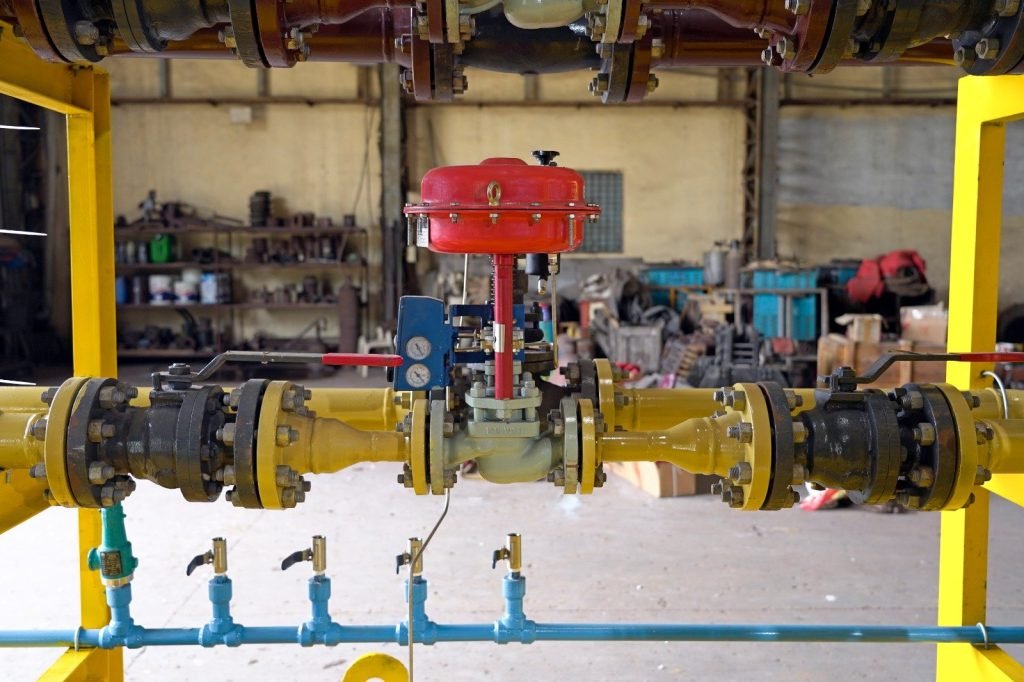
Different types of separator configurations are used depending on operational needs, available space, and flow conditions in an oil and gas production system.
A horizontal separator is a vessel that is placed horizontally, which provides a long chamber to facilitate fluid separation. It is suitable for handling large volumes of liquids and high flow rates. Horizontal separators are often used in situations where there is sufficient space to allow efficient separation of gas and liquids.
A vertical separator is designed using a vertically oriented vessel. It is typically used in cases where space is limited or in cases where wells have high gas output compared to liquid output. The vertical separators are effective in gas-liquid separation in low flow rate conditions.
A spherical separator has a compact spherical shape that allows for effective separation while occupying a small space. This type of separation is often used in offshore platforms and installations, which require consideration of weight and space.
| Separator Type | Key Advantage | Typical Application |
|---|---|---|
| Horizontal Separator | Handles high liquid volumes | Oil production facilities |
| Vertical Separator | Space efficient design | Offshore platforms |
| Spherical Separator | Compact and lightweight | Limited space installations |
There are various roles played by oil and gas separator during the production process.
A primary phase separator is utilized in the initial separation phase, where initial gas-liquid separation occurs. This phase removes the majority of the gas from the liquid.
Test separators are used to carry out performance tests on individual wells. These test separators help optimize well performance by enabling operators to determine flow rates, gas oil ratios, and fluid compositions.
The high-pressure separators are designed for operation under high pressure conditions, and such conditions are usually encountered during the initial phases of production. The well stream is processed under high pressure by the separators and helps in the initiation of the separation process.
A gas scrubber is a special type of separator. It removes liquid droplets and also removes particles from the gas. This ensures that the gas is clean and free from impurities.
To meet operational requirements, oil/water separators have been designed in multiple stages. In this case, the first stage is considered to be the primary separator, while stages two and three further refine the gas, oil, and water.
A separator in oil and gas industry is a critical piece of equipment used in the production and processing of oil and gas. The fluids extracted in an oil well consist of a mixture of gas, oil, water, and sometimes solids. These fluids have to be separated before they can be processed or transported.
An oil and gas separator is important because it ensures that the separation of the phases is efficient enough such that the gas is transported to the gas processing plants, the oil is stabilized and stored, and the water is treated and disposed of.
By properly separating fluids, the efficiency of the overall process is improved and operational safety is ensured.
A production separator in oil and gas operations is used in the initial processing phase of well fluids. It receives a raw mixture directly from the wellhead and separates it into gas, oil, and water phases using a three-phase separation system.
Production separators are capable of high pressures and varying flow rates, making them appropriate for continuous production in an oil field.
Production separators are mostly used in onshore oil fields, offshore production systems, and central processing systems.
Gas separators are special devices intended to remove impurities such as liquid droplets from gas streams. These devices are critical in natural gas processing, particularly where clean gas is required for transportation.
A gas separator vessel is essentially a pressure vessel designed for gas separation from liquid hydrocarbons or any other fluids. The vessels are designed to withstand high pressure and temperature variations.
The shape of a separator vessel can be horizontal, vertical, or spherical depending on the application.
The separators are commonly used in upstream oil and gas production to separate hydrocarbon fluids from other produced fluids. This equipment is often placed close to the wellhead or central production facility.
If you are looking for reliable oil and gas separators for your operations, our team can help you select the right solution based on your process requirements. Contact
Our experts can help you choose the perfect separator system to meet your needs and enhance efficiency in your production process.
The lifespan of oil and gas separators generally ranges from 15 to 25 years. However, it is important to note that the lifespan may be extended by conducting regular inspection and cleaning activities, as well as providing corrosion protection for the equipment.
An oil and gas separator operates based on differences in density using gravity separation. When the oil, gas, and water mixture enters the vessel, the flow slows down, allowing denser fluids to settle at the bottom while gas rises to the top. Various internal components improve efficiency by removing fine liquid droplets from the gas.
The common causes of oil separator leaks include corrosion, worn-out seals or gaskets, significant pressure changes, and poor maintenance. Eventually, the vessel or its components may deteriorate due to exposure to corrosive substances or hard operating conditions. This may cause the vessel to leak if not well-maintained.
Inquire Now
An Auto-Flocculant Dosing System is designed for the automatic preparation, ageing, and dosing of flocculant solutions used in industrial water and wastewater treatment processes.…
Oil and Gas Separator Industrial Separators for Oil and Gas Processing An oil and gas separator is an essential pressure vessel designed to separate…
A Lime Dosing System is engineered for the preparation and controlled injection of lime solution or lime slurry into industrial treatment processes. The system…
