Dosing System
Auto-Flocculant Dosing System
An Auto-Flocculant Dosing System is designed for the automatic preparation, ageing, and dosing of flocculant solutions used in industrial water and wastewater treatment processes.…
An Additive Injection Package for JET Fuel System is engineered to deliver controlled and accurate additive dosing into aviation fuel transfer and distribu
Tell us your duty and our engineers will respond within one business day.
An Additive Injection Package for JET Fuel System is engineered to deliver controlled and accurate additive dosing into aviation fuel transfer and distribution lines. These systems are designed to maintain fuel quality, improve operational safety, and ensure compliance with aviation fuel handling standards during storage, transfer, and refuelling operations.
The package is used for the injection of additives such as conductivity improvers, corrosion inhibitors, static dissipaters, lubricity improvers, and icing inhibitors into jet fuel systems under controlled flow conditions.
The system operates by injecting a predetermined quantity of additive directly into the flowing jet fuel stream through precision metering equipment. Injection rates are calibrated according to fuel flow conditions to maintain accurate additive concentration throughout operation.
The injection process is designed to ensure:
The system maintains dosing precision even during fluctuating pipeline pressure and operational load conditions commonly encountered in jet fuel systems.
The injection package incorporates precision metering systems designed for low-volume, high-accuracy additive transfer applications. The dosing arrangement is configured to maintain repeatable injection performance for aviation-grade fuel handling operations.
The metering section includes:
This arrangement allows stable additive delivery while maintaining operational reliability across continuous fuel transfer cycles.
Different additives are injected into jet fuel systems depending on fuel specifications, environmental conditions, and operational safety requirements.
Common additive applications include:
The package design can be configured according to single-additive or multi-additive injection requirements.
The package is designed for seamless integration within existing jet fuel handling and fuel transfer infrastructure. Its skid-mounted arrangement simplifies installation while supporting operational compatibility with airport fuel farms, hydrant systems, and fuel distribution terminals.
Typical installation areas include:
The compact package configuration allows installation in operational areas with limited infrastructure space.
The Additive Injection Package for JET Fuel System is engineered for operation in hazardous and safety-critical fuel handling environments. The skid structure and instrumentation arrangement are selected to support reliable operation in aviation fuel facilities.
The skid assembly may include:
The structural layout is designed to support safe fuel handling while maintaining maintenance accessibility.
Injection performance within a jet fuel system depends on maintaining accurate synchronisation between the additive dosing rate and the main fuel transfer flow.
The package may include:
This arrangement supports stable fuel conditioning, reduced additive wastage, and consistent fuel quality compliance across varying operational throughput conditions.
The system can be integrated with automated monitoring and control functions to support controlled additive injection during fuel transfer operations.
Instrumentation and automation features may include:
The automation arrangement improves operational control while reducing manual intervention during fuel handling operations.
| Parameter | Specification |
|---|---|
| System Type | Additive Injection Package for JET Fuel System |
| Injection Method | Inline Metered Injection |
| Pump Type | Positive Displacement / Metering Pump |
| Additive Type | Conductivity Improver / FSII / Corrosion Inhibitor |
| Control System | Manual / PLC-Based Automation |
| Skid Construction | Carbon Steel / Stainless Steel |
| Piping Material | SS316 / SS304 |
| Installation Type | Skid Mounted |
| Hazardous Area Compliance | As Per Application Requirement |
| Application | Aviation Fuel Handling Systems |
For aviation fuel additive injection systems, dosing package integration, or customised skid configurations for jet fuel handling infrastructure, our engineering team can assist with application-specific system design and technical selection.
We support customised additive-injection packages for fuel terminals, airport fuel distribution systems, aviation storage facilities, and inline jet-fuel treatment operations. Contact us to discuss your process requirements, additive compatibility, dosing accuracy requirements, and system integration specifications.
Accuracy is typically confirmed through calibration checks against actual fuel throughput and additive sampling analysis. Even minor deviations can affect additive concentration compliance in aviation fuel transfer operations.
Important factors include: Existing fuel flow range Operating pressure conditions Additive compatibility Hazardous area compliance requirements Automation integration capability Inquire Now
Cold conditions can impact additive viscosity and pump responsiveness. This may lead to: Delayed injection response Reduced metering precision Higher pump load Calibration deviation
An Auto-Flocculant Dosing System is designed for the automatic preparation, ageing, and dosing of flocculant solutions used in industrial water and wastewater treatment processes.…
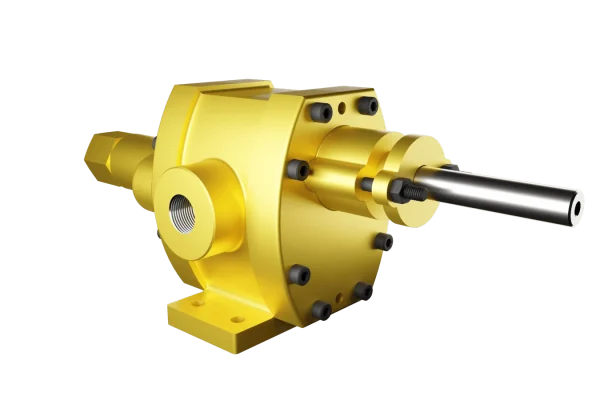
Rotary Gear Pump Industrial Rotary Gear Pump for Transferring High-Viscosity Fluids The UM Series was designed with handling of oil and viscous fluids in…
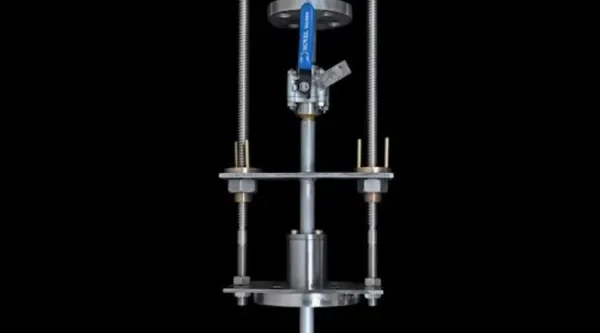
Chemical Injection Quills Our injection quills are engineered for specific operating conditions, considering factors such as vortex shedding, vibration, resonance, erosion, fatigue, and pipe…
