HCL Dosing System

An HCL Dosing System is designed for the controlled storage, metering, and injection of hydrochloric acid in industrial process systems where precise acid

Enquiry

Request a quote

Tell us your duty and our engineers will respond within one business day.

    Hydrochloric Acid Dosing System for Controlled Industrial Acid Injection

    An HCL Dosing System is designed for the controlled storage, metering, and injection of hydrochloric acid in industrial process systems where precise acid dosing is required for pH correction, chemical neutralisation, descaling, and process conditioning operations.

    Hydrochloric acid is highly corrosive and reactive, making dosing accuracy, material compatibility, and operational safety critical to long-term system performance. The system is therefore engineered with corrosion-resistant components, controlled injection arrangements, and secure chemical handling provisions suitable for continuous industrial operation.

    How the Acid Injection Process Operates 

    The dosing operation begins with hydrochloric acid being transferred from the storage section to the metering assembly through chemically resistant suction lines. The dosing pump then injects the acid into the process stream at a controlled flow rate according to operational requirements.

    The process generally includes:

    • Acid transfer from the storage tank
    • Controlled suction and flow regulation
    • Metered acid injection into process lines
    • Inline chemical dispersion
    • Continuous dosing adjustment based on process demand

    This controlled injection arrangement helps maintain stable process chemistry while preventing sudden pH fluctuations within the system.

    Acid Storage and Secondary Containment Design 

    The storage section is engineered specifically for safe hydrochloric acid containment under industrial operating conditions.

    The arrangement typically includes:

    • HDPE or FRP acid storage tanks
    • Acid-resistant transfer piping
    • Venting provisions for vapor release
    • Secondary containment arrangements
    • Isolation valves for maintenance and shutdown

    The containment configuration is designed to minimise leakage risk while supporting safe long-term acid handling operations.

    Material Selection for Corrosive Acid Service

    Hydrochloric acid service requires careful material selection throughout the wetted flow path to prevent chemical attack and premature equipment failure.

    The system may include:

    • PVC / CPVC chemical piping
    • PTFE-lined dosing assemblies
    • Non-metallic valve systems
    • Acid-resistant seals and gaskets
    • Corrosion-protected injection points

    Material compatibility is selected according to acid concentration, temperature conditions, and process requirements.

    HCL Dosing System Applications

    The hydrochloric acid injection package is widely used in industrial treatment systems where controlled acidity adjustment is required to maintain process stability and treatment efficiency. 

    Typical applications include:

    • pH reduction in water treatment systems
    • Neutralisation of alkaline wastewater
    • DM and RO plant regeneration
    • Boiler feed water conditioning
    • Cooling water treatment
    • Industrial cleaning and descaling processes

    The system supports both continuous and batch dosing operations across industrial treatment environments.

    Dosing Accuracy Under Variable Process Conditions

    Industrial process systems often experience pressure fluctuations and changing flow conditions that can affect dosing accuracy. The acid metering arrangement is therefore configured to maintain stable chemical injection under varying operational loads. 

    The dosing arrangement supports:

    • Accurate low-flow acid injection
    • Controlled dosing pressure stability
    • Consistent metering response
    • Reduced chemical overfeeding risk
    • Continuous dosing reliability

    This improves process control while reducing unnecessary acid consumption.

    Safety and Protection Features

    The system incorporates operational protection features intended to support safer acid dosing and minimise process interruption during industrial operation.

    NND Oil & Gas supplies HCL dosing systems engineered for controlled hydrochloric acid injection, corrosion-resistant chemical handling, and reliable industrial dosing performance across continuous process applications. 

    Depending on application requirements, the system may include:

    • Pressure relief valves
    • Non-return valves
    • Leak-resistant pipe connections
    • Emergency isolation arrangements
    • Controlled venting provisions
    • Level monitoring systems

    These features help improve operational safety during acid storage, transfer, and dosing activities.

    Skid-Mounted Package and System Integration

    The HCL dosing package is generally supplied as a compact skid-mounted assembly integrating all major dosing components into a single operational unit.

    The skid configuration may include:

    • Acid storage tank
    • Dosing pumps
    • Calibration column
    • Piping and valve assembly
    • Instrumentation systems
    • Electrical control panel

    This integrated arrangement simplifies plant installation and allows direct integration into existing industrial process systems.

    Technical Specifications

    Parameter Specification
    System Type Hydrochloric Acid Dosing System
    Chemical Type HCL / Hydrochloric Acid
    Dosing Method Metering Pump Injection
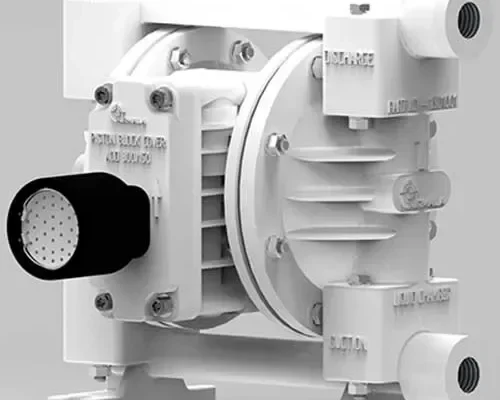
    Pump Type Diaphragm / Plunger Type
    Tank Material HDPE / FRP / PP
    Piping Material PVC / CPVC / PTFE
    Control Mode Manual / PLC-Based
    Mounting Type Skid Mounted
    Operating Mode Continuous / Batch
    Application Water Treatment & Industrial Processes

    Why Choose Us for HCL Dosing Systems

    We design and supply corrosion-resistant chemical dosing packages engineered specifically for industrial acid handling and controlled injection applications. 

    Our capabilities include:

    • Custom-designed dosing systems based on process requirements
    • Corrosion-resistant construction for extended operational life
    • Accurate metering systems for controlled acid injection
    • Compact skid-mounted assemblies for simplified installation
    • Industrial-grade safety and containment arrangements
    • Material selection based on acid concentration and service conditions
    • Technical support for system sizing and process integration

    Our engineering approach focuses on dosing stability, operational safety, and long-term reliability under demanding industrial conditions.

    Contact Us for HCL Dosing System Design and Technical Consultation

    For hydrochloric acid dosing systems, acid injection skids, or customised industrial dosing solutions, contact us for technical consultation based on your operating requirements.

    Our engineering team can assist with system sizing, material compatibility selection, dosing configuration, and complete skid integration for industrial acid handling applications.

    Enquiry Now

    Frequently asked questions

    Over time, dosing pumps and flow control components can lose precision due to wear and chemical exposure. This affects dosing stability and can disturb process chemistry if not corrected. Typical warning signs include: Frequent pH fluctuations Higher acid usage than expected Irregular pump discharge cycles Delayed process response Pressure inconsistency in dosing lines

    Hydrochloric acid is highly reactive, and prolonged exposure gradually weakens unsuitable materials. If component compatibility is not properly matched, failures may appear unexpectedly. Common damage includes: Seal hardening Valve seat erosion Pipe surface degradation Instrument corrosion Diaphragm fatigue

    Even when the acid supply is available, unstable pH correction can occur if the chemical is not dispersing properly inside the process stream. Factors such as turbulence, delayed reaction zones, or process flow changes often reduce acid neutralisation efficiency and make dosing response inconsistent.

    A common mistake is replacing failed parts with general-purpose components instead of acid-rated replacements. This may solve the issue temporarily but often leads to repeated failure and higher long-term maintenance costs. Inquire Now

    Related products

    Call