An injection quill introduces treatment chemicals into a flowing pipeline. Choosing the right configuration involves more than matching the pipe connection: you also need to consider how the equipment will be inspected, cleaned and replaced.
Fixed injection quills can suit installations where suitable isolation or shutdown access is available. Consider retractable designs when maintenance access during operation is required, provided the complete assembly supports that duty. This guide compares both options and explains the practical factors that should guide your selection.
What is the Difference Between Fixed and Retractable Injection Quills?
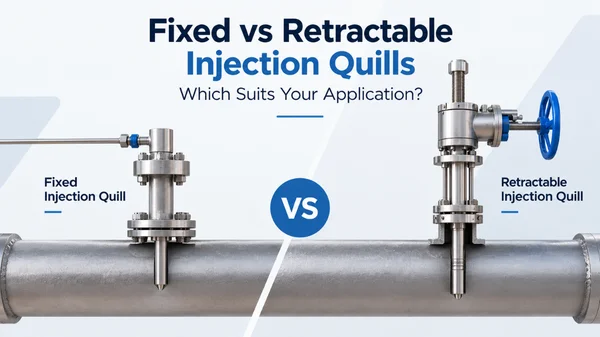
The main difference is the removal arrangement. A fixed quill remains in position during operation. Removing it requires the isolation and operating conditions specified for the installation.
A retractable injection quill incorporates a withdrawal arrangement. Some designs permit removal while the process remains pressurised, but that capability depends on the assembly’s rating, retrieval equipment and approved procedure.
| Factor | Fixed Injection Quills | Retractable Injection Quills |
| Maintenance access | Requires suitable isolation or shutdown | Operating retrieval may be possible within specified limits |
| Construction | No operating withdrawal mechanism | Includes a withdrawal arrangement |
| Space requirements | Installation and removal clearance | Additional clearance for the full withdrawal travel |
| Selection priority | Compatibility with planned maintenance | Compatibility with operating-access requirements |
| Quotation checks | Probe, connection, materials and duty | These details plus valves, seals and retrieval equipment |
Neither design automatically provides better chemical distribution. Injection performance must be reviewed separately from maintenance access.
When Should You Consider Fixed Injection Quills?
Fixed injection quills are worth evaluating when the plant can accommodate the conditions needed for removal.
For example, an injection point may be inspected during scheduled maintenance. If the required isolation, access and replacement arrangements are practical, a fixed design may meet the application.
Before selecting one, confirm:
- When the injection point can be taken out of service
- Whether that opportunity meets the anticipated inspection needs
- What equipment must be isolated
- Whether sufficient removal clearance is available
- Which replacement components should be kept on site
The decision should reflect an agreed maintenance plan rather than an assumption that the equipment will rarely need attention.
NND Oil & Gas offers several chemical injection quill configurations for review against these requirements.
When are Retractable Chemical Injection Quills Appropriate?
Retractable chemical injection quills are worth considering where access between planned shutdowns has a clear operational benefit.
Inspection or cleaning may be required before the next outage, particularly where the application has a history of deposits or restricted injection passages.
However, specifying a retractable design does not complete the maintenance assessment. Confirm that personnel can reach the equipment, position any required tools and withdraw the probe within the available space.
Ask the supplier to identify:
- The withdrawal mechanism and required tools
- Applicable pressure and temperature limits
- Isolation and service-valve requirements
- Full withdrawal clearance
- Operating instructions and personnel requirements
Retractability is useful only when the complete installed arrangement can be operated and maintained as intended.
Five Factors to Check Before Choosing
1. Chemical and Material Compatibility
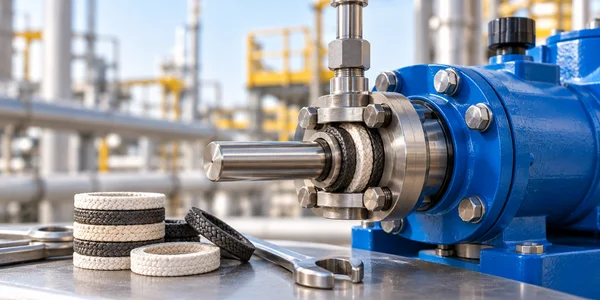
Review both the injected chemical and the surrounding process fluid. The probe, valve internals, seals and other wetted components may require different material specifications. Provide the chemical name, concentration and temperature. “Stainless steel” alone is not enough to confirm suitability; the grade and complete wetted assembly need review.
2. Operating Pressure and Temperature
Check the complete assembly against the required operating and design conditions. For retractable equipment, ask whether insertion and withdrawal limits differ from the normal service rating. Do not apply another model’s published capability to the proposed assembly.
3. Installation and Withdrawal Space
Review the actual location, including nearby pipework, platforms and structures. A connection may be accessible for installation while leaving insufficient room for later removal. Include maintenance clearance in the layout review before procurement.
4. Isolation and Check-Valve Requirements
A check valve and an isolation arrangement serve different functions. Backflow prevention concerns flow through the chemical connection. Isolation and retrieval provisions determine how the assembly can be accessed for maintenance. Specify each requirement separately and confirm what is included in the quotation.
5. Compatibility with the Dosing Package
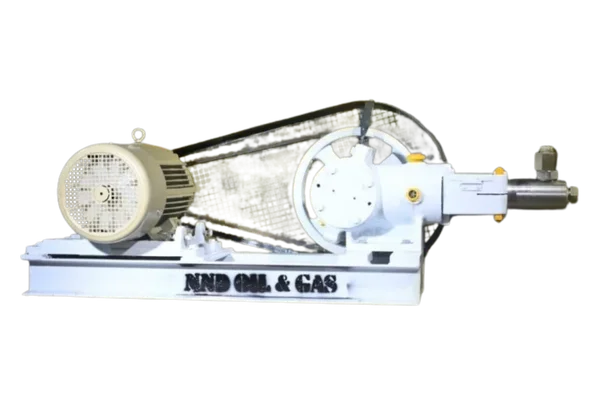
The quill must work with the chemical feed line, pump and associated equipment. When specifying a complete installation, review the chemical dosing system as a package. Identify connection responsibilities, operating conditions and the scope of valves and instruments.
Compare the Complete Cost and Supply Scope
Purchase price alone does not establish which option is more suitable.
Compare quotations against the same application requirements, including installation, tools, maintenance access and documentation. A lower-priced proposal may simply exclude equipment included elsewhere.
| Item | What to Confirm |
| Assembly | Same chemical duty, materials and connection requirements |
| Valves | Isolation and non-return provisions included |
| Retrieval equipment | Required tools and accessories supplied or excluded |
| Installation | Clearance, access and any supporting work |
| Maintenance | Required plant conditions and replacement components |
| Documentation | Drawings, instructions and agreed inspection records |
Avoid assuming either design has a universal cost advantage. The comparison should reflect the installed solution and the site’s operating needs.
Information to Include in Your Enquiry
A clear enquiry helps the supplier assess suitability before recommending a configuration.
Provide:
- Chemical name and concentration
- Process-fluid details
- Minimum, normal and maximum dosing flow
- Operating and design pressure and temperature
- Pipeline size and connection drawing
- Fixed or operating-retrieval requirements
- Installation and withdrawal-space restrictions
- Required valves, tools and documentation
If information is unavailable, identify it as outstanding rather than replacing it with an estimate.
Choose Around Your Maintenance Requirements
Both configurations can serve useful roles. Fixed designs may suit installations with workable isolation or shutdown access. Retractable designs may support maintenance between outages where the complete assembly and installation permit it.
Base the decision on the treatment duty, chemical compatibility, operating conditions and maintenance plan. NND Oil & Gas can review those details to help establish a suitable configuration.
Need help choosing the right injection quill? Contact NND Oil & Gas to discuss your process conditions, maintenance requirements and quotation.
Frequently Asked Questions
Can Retractable Injection Quills Be Removed Under Pressure?
Some assemblies support this within defined limits. Confirm the selected model’s rating, required retrieval equipment, approved procedure and personnel requirements. Do not assume the capability from the product name alone.
Are Fixed Injection Quills Unsuitable for Continuous Processes?
Not necessarily. Suitability depends on whether the installation provides acceptable isolation or maintenance opportunities. Continuous operation alone does not settle the selection.
Does a Retractable Design Improve Mixing?
Not by itself. Mixing depends on the outlet arrangement, injection position and process conditions. Retractability describes maintenance access rather than chemical-distribution performance.