Selecting a chemical injection quill involves more than matching a connection to the pipeline. The assembly must suit the treatment chemical, process fluid, operating conditions and maintenance requirements.
An unsuitable configuration can create difficulties with chemical delivery, material compatibility or access for inspection. Choosing the right equipment starts with a clear description of the application.
This guide explains the information to prepare and the main factors to review before requesting a quotation.
What Does a Chemical Injection Quill Do?
A chemical injection quill carries treatment chemical through a process connection to a specified position inside a pipeline. Its outlet introduces chemical into the moving fluid rather than discharging only at the immediate pipe connection.
The quill works alongside the dosing pump, feed line, valves and other equipment. It does not control every aspect of the treatment process or guarantee complete mixing by itself.
NND Oil & Gas offers chemical injection quills in fixed, retrievable and double block and bleed configurations. Selection depends on the complete duty and installation requirements.
1. Identify the Chemical and Process Fluid
Start by identifying what will pass through the quill and what surrounds it in the pipeline.
Provide:
- Treatment chemical name and concentration.
- Process-fluid composition.
- Normal and maximum temperatures.
- Relevant contaminants or suspended solids.
- Available chemical compatibility information.
Descriptions such as “water treatment chemical” or “corrosion inhibitor” may not provide enough information for material selection. Different formulations and concentrations can require different components.
Also identify any planned changes in chemical use. A configuration selected for one duty should not automatically be assumed suitable for another.
2. Review Materials Across the Complete Assembly
A stainless steel injection quill may suit some applications, but stainless steel is not a complete material specification. The grade and service conditions still require review.
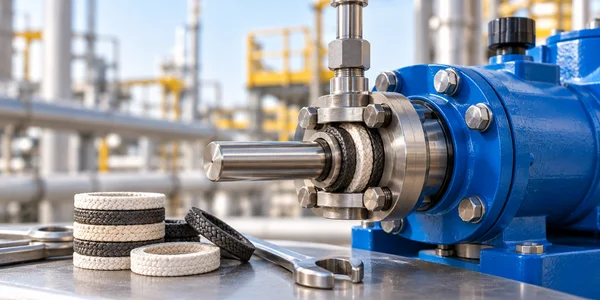
Assess all wetted components, including the probe, valve body, check-valve internals, seals and fittings. They may not all use the same material.
Ask the supplier to identify the proposed materials component by component. This makes quotations easier to compare and helps prevent an apparently suitable probe from being paired with incompatible seals or valve internals.
Material selection should consider both the injected chemical and the process fluid.
3. Define Pressure and Temperature Requirements
Specify normal operating conditions and applicable design conditions. Include pressure variations that could affect the injection arrangement.
| Parameter | Information to Provide |
| Process pressure | Normal operating pressure and relevant variations |
| Chemical-feed pressure | Available pressure at the injection assembly |
| Temperature | Normal and applicable maximum conditions |
| Design requirements | Project-specific pressure and temperature criteria |
| Operating pattern | Continuous, intermittent or batch dosing |
Review the rating of the complete injection quill assembly rather than relying on one component’s rating.
Where retrieval during operation is required, ask whether insertion and withdrawal limits differ from the normal service conditions.
4. Specify the Required Dosing Range
Provide minimum, normal and maximum chemical flow rates.
The selected outlet and valve arrangement should be reviewed across that range. Choosing equipment solely by connection size or maximum capacity can leave the normal operating point insufficiently assessed.
Confirm that the available pump pressure is suitable for the process pressure, feed-line losses and selected valve requirements.
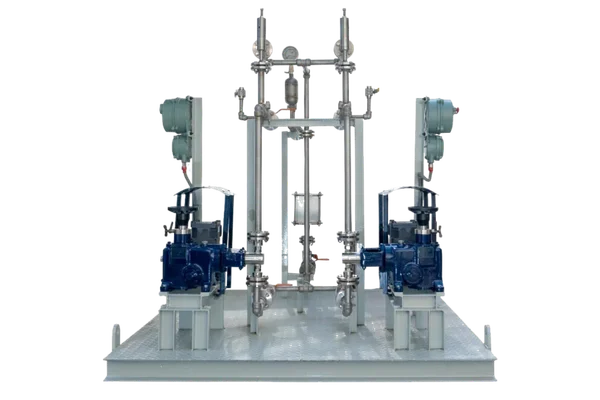
For a new package, review the chemical dosing system as a whole. This helps establish compatible pump, piping, instrumentation and injection-point requirements.
5. Confirm Pipeline Dimensions and Connections
Provide the pipeline size and an available connection drawing. Include the connection type, dimensions and relevant project requirements.
Insertion length should be established from the actual installation geometry. Nominal pipe size alone does not describe every dimension between the external connection and the intended outlet position.
Ask the supplier to confirm:
- Process and chemical-inlet connections.
- Required insertion length.
- Overall assembly dimensions.
- Proposed outlet position.
- Installation and removal clearance.
For replacement equipment, include the existing drawing or model reference. Physical resemblance alone does not establish interchangeability.
6. Select the Nozzle Arrangement
Nozzle options should be assessed against the chemical flow and intended injection duty.
NND’s published range includes notched, perforated and spray configurations. Their availability does not mean each option will perform equally in every application.
Explain the required treatment outcome and provide the process conditions needed to evaluate the outlet arrangement.
Keep two questions separate:
- Where should the chemical enter the process?
- What downstream distribution or mixing is required?
The quill selection should address the injection requirement without assuming that outlet design alone resolves every mixing challenge.
7. Choose Fixed or Retrievable Construction
Maintenance requirements influence the configuration.
Fixed designs remain installed during operation and require suitable isolation or shutdown conditions for removal. Retrievable designs provide a withdrawal arrangement, with operating retrieval dependent on the complete equipment and its specified limits.
Before selecting either option, establish:
- How often inspection or cleaning may be needed.
- Whether shutdown access is acceptable.
- Available withdrawal space.
- Required tools and handling arrangements.
- Applicable operating procedures.
Retractability is useful only where the installed arrangement can be accessed and maintained as intended.
8. Define Valve and Isolation Requirements
Specify the required non-return and isolation functions separately.
A check valve provides directional flow control. It should not be treated as a substitute for maintenance isolation or overpressure protection.
For a spring-loaded valve, opening and resealing characteristics are also different from its maximum pressure rating. Confirm performance at the required dosing flow rather than checking the rating alone.
State whether the quotation should include the probe only or the complete assembly with valves, seals and associated equipment.
Information to Include in Your Enquiry
Use this checklist to prepare a clear specification.
|
Item |
Details Required |
| Application | Treatment purpose and installation location |
| Fluids | Chemical name, concentration and process fluid |
| Dosing flow | Minimum, normal and maximum |
| Conditions | Operating and design pressure and temperature |
| Connections | Pipeline drawing and inlet requirements |
| Maintenance | Fixed removal or operating retrieval needs |
| Materials | Specified grades and compatibility requirements |
| Supply scope | Probe, valves, retrieval equipment and documentation |
Identify missing information rather than filling gaps with assumptions. The supplier can then explain what is needed before confirming a configuration.
Select Around the Complete Process Requirement
A suitable quill brings together chemical compatibility, dosing flow, operating conditions, installation geometry and maintenance access.
Prepare those details before comparing models or prices. A clear specification helps establish what is included and what still needs engineering review.
Need help selecting your injection assembly?Contact NND Oil & Gas to discuss your application and request a quotation.
Frequently Asked Questions
Is Stainless Steel Suitable for Every Chemical?
No. Suitability depends on the grade, chemical concentration, temperature and other service conditions. Review seals and valve internals as well as the probe material.
Can an Existing Injection Quill Be Replaced with the Same Size?
Matching connection size is not enough. Confirm insertion length, materials, ratings, outlet arrangement and any changes in the operating duty.
Does Every Assembly Include a Check Valve?
No. Supply configurations vary. State the requirement explicitly and confirm its inclusion, location and specification in the quotation.