Unplanned equipment downtime can disrupt production schedules, delay deliveries, increase operating costs, and put pressure on maintenance teams. In industrial plants, the failure of a single critical component can sometimes affect several connected operations.
Although equipment failures cannot always be eliminated, plants can take practical steps to reduce their likelihood and limit their impact. These steps include planned maintenance, equipment condition monitoring, regular inspections, proper operating practices, and preparation for potential failures.
Understanding how these measures work together helps industrial facilities build a more reliable maintenance approach.
What Causes Unplanned Equipment Downtime?
Equipment downtime occurs when a machine or system becomes unavailable for its intended operation. The cause may be mechanical, electrical, operational, or process-related.
Some common causes include:
- Component wear and deterioration: Bearings, seals, diaphragms, valves, and other components can deteriorate through regular use.
- Inadequate lubrication: Incorrect lubrication or insufficient lubricant can increase friction and contribute to premature component wear.
- Misalignment and vibration: Incorrect equipment alignment, looseness, or imbalance can contribute to mechanical problems.
- Operating outside design conditions: Excessive pressure, temperature, flow, or load can place equipment under conditions it was not designed to handle.
- Corrosion and contamination: Corrosive fluids and unwanted particles can affect equipment surfaces and internal components.
- Delayed maintenance: Ignoring warning signs or postponing necessary inspections can allow smaller problems to develop into larger failures.
Identifying the causes of previous failures is an important starting point. Maintenance teams can use equipment history, inspection records, and operating data to identify recurring problems.
Establish a Preventive Maintenance Schedule
Preventive maintenance involves carrying out inspections, servicing, and component replacement at planned intervals rather than waiting for equipment to fail. A maintenance schedule should be based on equipment requirements, manufacturer recommendations, operating conditions, and previous maintenance history.
Typical activities may include:
- Inspecting equipment for leakage, unusual noise, and visible damage.
- Checking lubrication levels and condition.
- Inspecting seals, bearings, valves, and other wear components.
- Checking electrical connections and motor condition.
- Cleaning equipment and removing accumulated deposits where required.
- Verifying that safety devices and protective systems are functioning correctly.
However, applying the same maintenance frequency to every machine may not be practical. Critical equipment and components with known failure patterns may require more frequent attention. A well-planned schedule should also account for operating hours, equipment condition, and the availability of maintenance personnel and replacement components.
Use Condition Monitoring to Identify Early Warning Signs
Preventive maintenance follows planned intervals, while condition monitoring focuses on the actual operating condition of equipment. Instead of relying only on a fixed maintenance schedule, maintenance teams monitor selected parameters to identify changes that may indicate developing problems.
Common condition-monitoring methods include:
| Monitoring method | What changes may indicate |
| Vibration analysis | Imbalance, misalignment, looseness, and bearing-related problems |
| Temperature monitoring | Abnormal heating and changes in operating conditions |
| Oil analysis | Lubricant degradation and certain forms of contamination or wear |
| Pressure monitoring | Unexpected pressure changes or operating irregularities |
| Flow monitoring | Changes in process flow that may indicate restrictions or equipment problems |
For example, an increase in vibration may indicate a developing mechanical issue. Investigating the change early can help maintenance teams determine whether corrective action is required before the problem causes an unplanned shutdown.
The parameters selected for monitoring should depend on the equipment type, its failure modes, and the operating environment. Not every monitoring method is suitable for every machine.
Inspect Critical Equipment Regularly
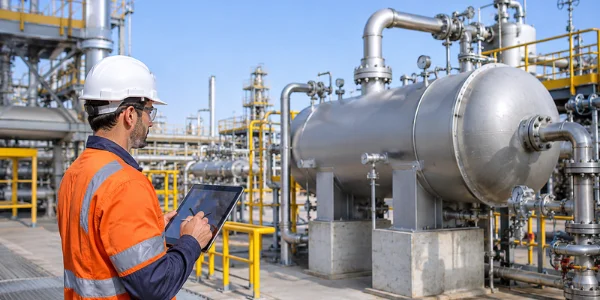
Not all equipment failures have the same operational impact. A failure in a critical pump, compressor, motor, or process vessel may interrupt an important production activity, while a failure in less critical equipment may have a limited effect.
Prioritize equipment whose failure could interrupt production or affect safety. Use earlier inspection results and failure records to decide which components need closer attention. Record findings so the next inspection can check whether the condition has changed.
NND’s rotary gear pump guidance separates installation checks, such as motor alignment, from routine maintenance checks, such as inspecting seals and bearings for wear.
These checks illustrate why inspection requirements should be specific to the equipment being maintained.
Follow Proper Operating and Installation Practices
Maintenance alone cannot prevent every equipment problem. Incorrect installation and operation can also contribute to premature wear and unexpected failures. Before equipment is commissioned, installation should be checked against the manufacturer’s instructions and applicable project requirements.
Important considerations include:
- Correct alignment between connected equipment and drive components.
- Proper foundation and mounting arrangements.
- Suitable piping support and connection arrangements.
- Correct electrical connections and motor settings.
- Operation within specified pressure, temperature, flow, and load limits.
- Appropriate start-up and shutdown procedures.
Operators should also be trained to recognize abnormal operating conditions. Unusual vibration, leakage, overheating, pressure fluctuations, and unexpected changes in performance should be reported rather than ignored.
For example, NND’s EODD pump maintenance guidance identifies diaphragm and valve inspection, vibration checks, and motor alignment as part of routine maintenance considerations.
Following equipment-specific instructions helps ensure that operating and maintenance activities address the actual design and requirements of the machine.
Maintain an Appropriate Spare Parts Inventory
Even with a preventive maintenance program, some equipment failures may still occur. The availability of suitable replacement parts can influence how quickly equipment is returned to operation.
Plants should identify critical components based on equipment importance, failure history, replacement lead times, and manufacturer recommendations.
Depending on the equipment, these may include:
- Bearings and seals.
- Gaskets and diaphragms.
- Valves and other replaceable components.
- Filters and lubrication-related consumables.
- Electrical components and instrumentation parts.
Keeping every possible spare part in stock may increase inventory costs. Instead, maintenance teams should prioritize components whose unavailability could significantly extend equipment downtime.
Inventory records should also be reviewed periodically to confirm that stored components remain suitable for use and match the installed equipment specifications.
Analyse Equipment Failures and Maintenance Records
A repair should not always be treated as the end of a maintenance issue. If the underlying cause is not identified, the same failure may happen again.
After an unexpected shutdown, maintenance teams should document:
- Which equipment or component failed.
- The operating conditions before the failure.
- The symptoms observed by operators.
- The identified cause is established.
- The corrective work performed.
- The replacement parts and resources used.
- The time required to restore operation.
This information helps identify recurring failure patterns and areas where maintenance practices may need improvement. For more complex or repeated failures, techniques such as root cause analysis can help distinguish the immediate failure from the underlying contributing factors.
Conclusion
Preventing unexpected equipment downtime requires more than repairing machines after they fail. Industrial plants need a structured approach that combines preventive maintenance, condition monitoring, regular inspections, correct operating practices, spare parts planning, and failure analysis.
The most effective approach depends on the equipment, process conditions, operational risks, and maintenance resources available at each facility.
By identifying early warning signs and addressing equipment issues before they develop into major failures, plants can reduce avoidable interruptions and improve the reliability of their operations.
Frequently Asked Questions
What is the difference between preventive and predictive maintenance?
Preventive maintenance is performed at planned intervals, while predictive maintenance uses equipment condition data to determine when maintenance may be needed.
Which equipment should receive priority in a maintenance program?
Equipment whose failure could significantly affect production, process continuity, or safety should generally receive higher maintenance priority.
How often should industrial equipment be inspected?
Inspection frequency depends on equipment type, operating conditions, manufacturer recommendations, criticality, and previous failure history. There is no single inspection interval suitable for every machine.