Natural gas is transported through pipelines at high pressures to support efficient movement over long distances. However, before reaching industrial facilities, distribution networks, or end users, the gas often passes through pressure reduction stations where its pressure is lowered to meet downstream operating requirements.
Although pressure reduction is essential, it creates an important operating challenge: the temperature of natural gas can decrease significantly during the process. This temperature drop can lead to hydrate formation, freezing, and operational difficulties in pipelines and pressure regulation equipment.
Water bath heating systems help address this challenge by heating natural gas before it enters pressure reduction equipment. By maintaining suitable gas temperatures, these systems support stable operation and help protect downstream infrastructure.
Why Does Natural Gas Temperature Drop During Pressure Reduction?
Natural gas experiences a temperature change when it passes through a pressure regulator or throttling valve. This behavior is associated with the Joule-Thomson effect, where the temperature of a real gas changes as its pressure decreases under approximately constant enthalpy conditions. For natural gas under typical pipeline operating conditions, pressure reduction generally results in cooling.
The extent of this temperature drop depends on several factors:
- Inlet pressure: Higher upstream pressure can influence the temperature change across the regulator.
- Pressure differential: A larger difference between inlet and outlet pressure can result in greater cooling.
- Gas composition: Different gas components influence the Joule-Thomson coefficient and overall thermal behavior.
- Initial temperature: The temperature of gas entering the pressure reduction station affects the final downstream temperature.
When the resulting temperature falls below acceptable operating limits, the system may experience condensation, hydrate formation, or freezing-related problems.
What Problems Can Occur Due to Gas Cooling?
Temperature reduction during gas pressure regulation can create several challenges, particularly when the natural gas contains moisture.
1. Hydrate Formation
Natural gas hydrates are ice-like crystalline structures formed when water molecules combine with certain gas molecules under suitable pressure and temperature conditions. Cooling across a regulator can favour hydrate formation if enough water is present and the resulting pressure and temperature fall within the range where hydrates can form.
These deposits can accumulate around regulator passages, valves, and downstream piping. As they build up, they may restrict gas flow and interfere with pressure regulation.
2. Ice Formation and Equipment Blockage
Moisture present in the gas stream can freeze when temperatures fall sufficiently low. Ice formation may affect small passages, instrument connections, filters, and control components. This can interfere with equipment operation and, in severe cases, interrupt gas delivery.
3. Material and Operating Concerns
Low temperatures can affect the mechanical properties of certain materials, seals, and equipment components. If operating temperatures fall below the limits specified for the selected materials, the reliability of the installation may be affected. These challenges make temperature management an important part of natural gas pressure reduction system design.
How Water Bath Heating Systems Work
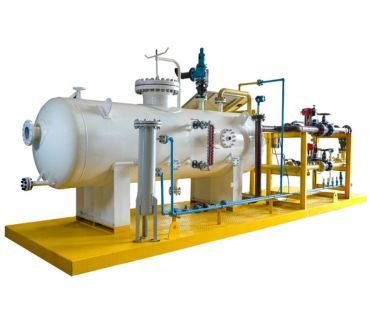
An indirect water bath heater provides controlled heating to natural gas before it enters pressure reduction equipment. Unlike direct heating arrangements, the process gas does not come into contact with the burner flame. Instead, heat is transferred through an intermediate water or suitable water-glycol bath.
A typical indirect water bath heating system consists of:
- Water bath vessel: Holds the heat-transfer medium and provides a surrounding heating environment.
- Fire tube: Receives heat from the burner and transfers thermal energy to the bath.
- Burner assembly: Supplies the heat required to maintain the bath temperature.
- Process heating coil: Carries natural gas through the heated bath.
- Temperature controls: Monitor and regulate heating conditions.
- Safety instrumentation: Provides monitoring and protective functions according to the system design.
Working Process
The heating process generally follows these steps:
- Gas enters the heater: High-pressure natural gas flows through the inlet connection into the process coil.
- The burner generates heat: Fuel combustion heats the fire tube located inside the heater vessel.
- The bath absorbs thermal energy: Heat transfers from the fire tube to the surrounding water or water-glycol medium.
- Gas receives indirect heating: The process coil transfers heat from the surrounding bath to the flowing natural gas.
- Heated gas exits the system: The gas leaves the heater at the required temperature and moves towards the downstream pressure regulator.
This arrangement allows natural gas to receive heat without direct exposure to combustion gases or flames.
How Water Bath Heaters Support Pressure Reduction Operations
Water bath heaters play an important role in preparing natural gas for pressure regulation. Their contribution extends beyond simply increasing gas temperature.
Maintaining Suitable Downstream Temperatures
The primary purpose of preheating is to compensate for the expected temperature decrease across the pressure regulator. By raising the inlet gas temperature, the heater helps maintain an acceptable downstream temperature after pressure reduction. The required heating level depends on the pressure differential, gas composition, flow rate, and operating conditions.
Reducing the Risk of Hydrate Formation
Preheating helps maintain gas temperatures above the conditions that favor hydrate formation during pressure reduction. This is particularly important in systems where moisture is present, and pressure changes are significant. However, heating requirements must be determined through appropriate process calculations rather than relying on a fixed temperature.
Supporting Reliable Regulator Operation
Hydrate deposits and ice formation can interfere with regulator movement and restrict internal flow passages. Maintaining appropriate gas temperatures helps reduce these risks, supporting more consistent pressure regulation and reducing the possibility of temperature-related interruptions.
Protecting Downstream Equipment
Gas leaving a pressure reduction station may travel through pipelines and enter metering systems, industrial equipment, or distribution networks. Maintaining suitable temperatures helps protect downstream components from low-temperature operating conditions. It also supports the operating requirements of connected equipment.
Important Design Considerations for Water Bath Heating Systems
Selecting and sizing a water bath heater requires an understanding of the complete gas pressure reduction process.
Several engineering parameters influence the heating requirement:
| Design Parameter | Why It Matters |
| Gas Flow Rate | Determines the quantity of gas requiring heating |
| Inlet Temperature | Establishes the initial thermal condition |
| Inlet and Outlet Pressure | Helps determine the expected temperature reduction |
| Gas Composition | Influences thermal properties and hydrate behavior |
| Required Outlet Temperature | Defines the heating duty |
| Bath Medium | Influences heat transfer and operating conditions |
| Burner Capacity | Determines the available heat input |
Temperature control is another important consideration. Heating the gas beyond the required level can increase fuel consumption without providing additional process benefits.
An appropriately designed control arrangement helps match heat input to changing operating conditions and gas demand.
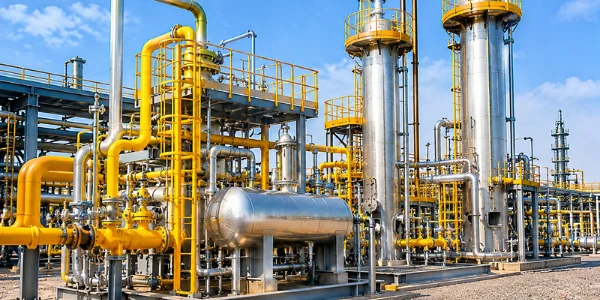
Integration with Natural Gas Pressure Reduction Stations
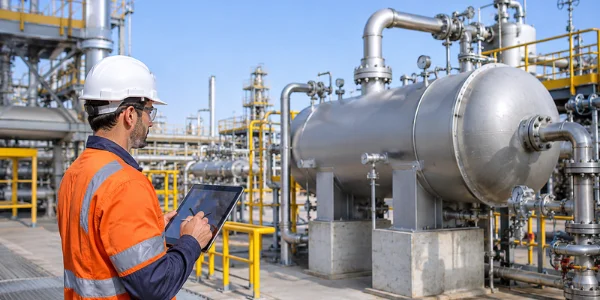
Water bath heaters are generally installed upstream of pressure regulators so that natural gas receives the required heating before pressure reduction takes place.
A typical station may include filtration equipment, heating systems, pressure regulators, metering instruments, isolation valves, and safety devices.
Gas metering systems monitor flow through transmission and distribution facilities. Their operating conditions must account for changes in gas pressure and temperature. Similarly, indirect water bath heaters help maintain suitable gas temperatures before pressure regulation.
Conclusion
Natural gas pressure reduction is essential in transmission and distribution systems, but the associated temperature drop can cause hydrate formation, freezing, and equipment issues.
Water bath heating systems help address these challenges by preheating natural gas before pressure regulation. Their indirect heating arrangement provides controlled heat transfer while keeping the gas separate from the combustion zone.
Proper system design helps support reliable operation and protect downstream equipment. For application-specific requirements, contact the NND Oil & Gas team to discuss your project.
Frequently Asked Questions
1. Why is natural gas heated before pressure reduction?
Natural gas is preheated to compensate for the temperature drop caused by the Joule-Thomson effect and reduce the risk of hydrate formation, freezing, and low-temperature equipment problems.
2. How does an indirect water bath heater work?
A burner heats a fire tube, which transfers thermal energy to the surrounding water or water-glycol bath. Natural gas flowing through an immersed process coil receives heat indirectly.
3. Where are water bath heaters installed in gas systems?
They are commonly installed upstream of pressure regulators in natural gas pressure reduction stations, city gate stations, and other gas transmission and distribution facilities.